Lista de productos

Contáctenos

  • Hangzhou Hotide Biotech Co., Ltd.
  • info@hangzhouhotide.com
  • Distrito de Qiantang, ciudad de Hangzhou, provincia de Zhejiang, China
    producto
    incógnita
    producto

    API-Drug Peptide Linaclotide: una pastilla para el alivio y la comodidad intestinal

    La linaclotida es un medicamento innovador que puede ayudarlo a controlar el estreñimiento crónico y el síndrome del intestino irritable con estreñimiento. Lo fabrica Ironwood Pharmaceuticals y ha sido aprobado por la FDA y otras autoridades sanitarias para su venta bajo la marca Linzess en Estados Unidos y México, y como Constella en otros países. La linaclotida es una pastilla que se toma una vez al día y que puede tomar con o sin alimentos, y puede ayudarle a defecar de forma más frecuente y completa, y a reducir el dolor y la incomodidad causados ​​por su afección.

    Categorías:

    Contactar ahora
    Acerca de este artículo
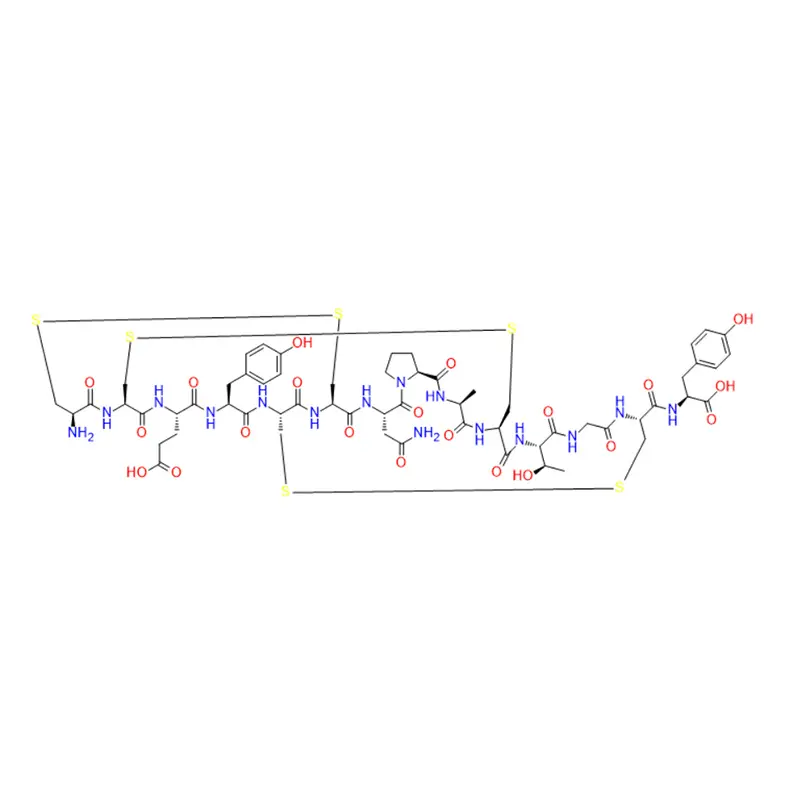
    Linaclotide is a cyclic peptide that consists of 14 amino acids, three of which are cysteines that form disulfide bonds. Linaclotide is structurally related to the endogenous peptides guanylin and uroguanylin, which are natural ligands of the guanylate cyclase C (GC-C) receptor. The GC-C receptor is expressed on the luminal surface of the intestinal epithelial cells, where it regulates fluid secretion and intestinal motility. Linaclotide binds to the GC-C receptor with high affinity and specificity, and activates it by increasing the intracellular levels of cyclic guanosine monophosphate (cGMP). cGMP is a second messenger that mediates various cellular responses, such as chloride and bicarbonate secretion, smooth muscle relaxation, and pain modulation. Linaclotide acts locally in the gastrointestinal tract, and does not penetrate the blood-brain barrier or affect the central nervous system. Linaclotide also produces an active metabolite, MM-419447, which has similar pharmacological properties to linaclotide. Both linaclotide and its metabolite are resistant to proteolytic degradation by intestinal enzymes, and are mainly eliminated unchanged in the feces (MacDonald et al., Drugs, 2017). By activating the GC-C receptor, linaclotide increases the secretion of fluid into the intestinal lumen, which softens the stool and facilitates bowel movements. Linaclotide also reduces the visceral hypersensitivity and inflammation that are associated with irritable bowel syndrome (IBS) and other gastrointestinal disorders. Linaclotide modulates the activity of the enteric nervous system and the colonic nociceptors, which are sensory neurons that transmit pain signals from the gut to the brain. Linaclotide decreases the expression of pain-related genes, such as substance P and calcitonin gene-related peptide (CGRP), and increases the expression of opioid receptors, which mediate analgesia. Linaclotide also reduces the release of pro-inflammatory cytokines, such as interleukin-1 beta (IL-1β) and tumor necrosis factor alpha (TNF-α), and increases the release of anti-inflammatory cytokines, such as interleukin-10 (IL-10) and transforming growth factor beta (TGF-β). These effects of linaclotide improve the symptoms of constipation and abdominal pain in patients with IBS or chronic constipation (Lembo et al., The American Journal of Gastroenterology, 2018). Linaclotide has been shown to be effective and well-tolerated in several clinical trials involving patients with CC or IBS-C. In these trials, linaclotide improved bowel habits, such as stool frequency, consistency, and completeness; reduced abdominal pain and discomfort; and enhanced quality of life and patient satisfaction. Linaclotide also demonstrated a favorable safety profile, with diarrhea being the most common adverse event. The incidence of diarrhea was dose-dependent and usually mild to moderate in severity. Other adverse events were generally similar to placebo or low in frequency. No serious adverse events or deaths were attributed to linaclotide treatment (Rao et al., Clinical Gastroenterology and Hepatology, 2015).
    Exhibición del producto
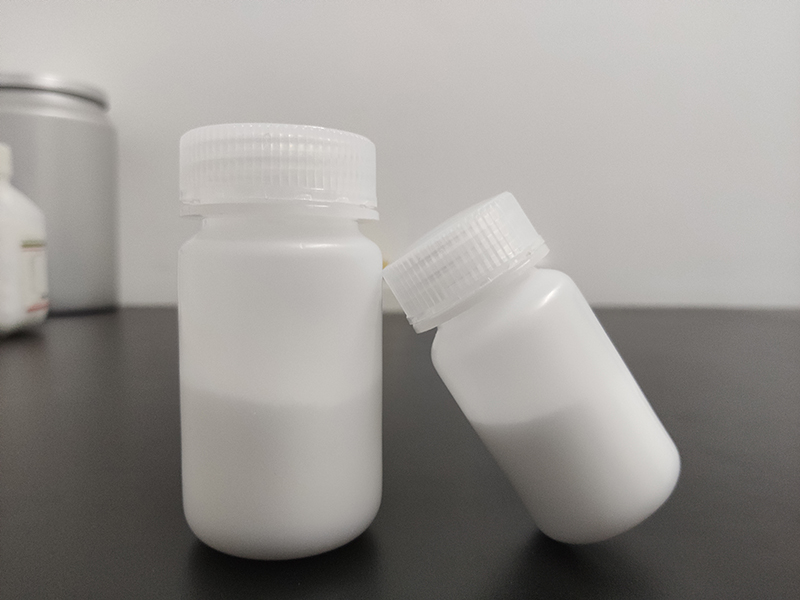
    muestra (2)
    muestra (3)
    muestra (1)
    ¿Por qué elegirnos?
    La linaclotida es un medicamento novedoso y eficaz para pacientes con CC y SII-C que no han respondido bien a las terapias convencionales. Actúa imitando la acción de los péptidos endógenos que regulan la función y la sensación intestinal. La linaclotida puede mejorar los hábitos intestinales, reducir el dolor abdominal y mejorar la calidad de vida de estos pacientes.
    productos
    Figure 1. Abdominal pain/abdominal discomfort and IBS degree of relief weekly responders over the 12-week. , placebo;, linaclotide 290μg. (Yang, Y., Fang, J., Guo, X., Dai, N., Shen, X., Yang, Y., Sun, J., Bhandari, B. R., Reasner, D. S., Cronin, J. A., Currie, M. G., Johnston, J. M., Zeng, P., Montreewasuwat, N., Chen, G. Z., and Lim, S. (2018) Linaclotide in irritable bowel syndrome with constipation: A Phase 3 randomized trial in China and other regions. Journal of Gastroenterology and Hepatology, 33: 980–989. doi: 10.1111/jgh.14086.) We are a polypeptide manufacturer in China, with several years of mature experience in polypeptide production. Hangzhou Taijia Biotech Co., Ltd. is a professional polypeptide raw material manufacturer, which can provide tens of thousands of polypeptide raw materials and can also be customized according to needs. The quality of polypeptide products is excellent, and the purity can reach 98%, which has been recognized by users all over the world.Welcome to consult us.

    Solicitar consulta

    Copyright © 2025 Hangzhou Hotide Biotech Co., Ltd. Todos los derechos reservados.

    Contáctenos

    Solicitar consulta