À propos de Hangzhou Hotide Biotech

Notre mission et notre vision

Hangzhou Hotide Biotech Co., Ltd. est un fournisseur de premier plan de produits peptidiques de haute qualité et de services de synthèse sur mesure pour les institutions pharmaceutiques, biotechnologiques et universitaires du monde entier. Grâce à des plateformes technologiques avancées et à des systèmes de contrôle qualité stricts, nous nous engageons à fournir des solutions peptidiques innovantes pour accélérer la découverte scientifique et le développement de médicaments.

Notre mission

Faire progresser la recherche en sciences de la vie grâce à des technologies peptidiques innovantes et à un service client exceptionnel.

Notre Vision

Devenir un leader mondialement reconnu dans le domaine de la synthèse peptidique et des domaines biotechnologiques connexes.
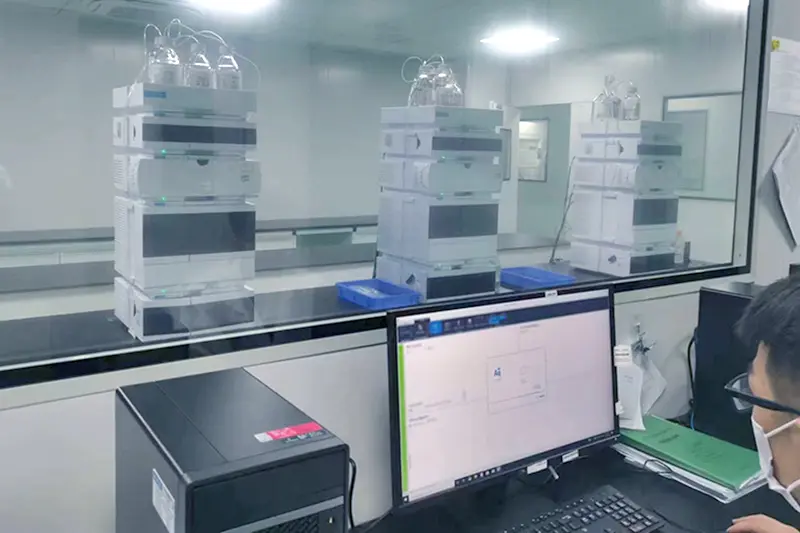
Technologie avancée

Assurance qualité

Équipe d'experts

Catégories de produits

Explorez notre gamme complète de produits peptidiques pour vos besoins de recherche

Produits en vedette

Découvrez nos produits peptidiques les plus populaires pour la recherche et le développement
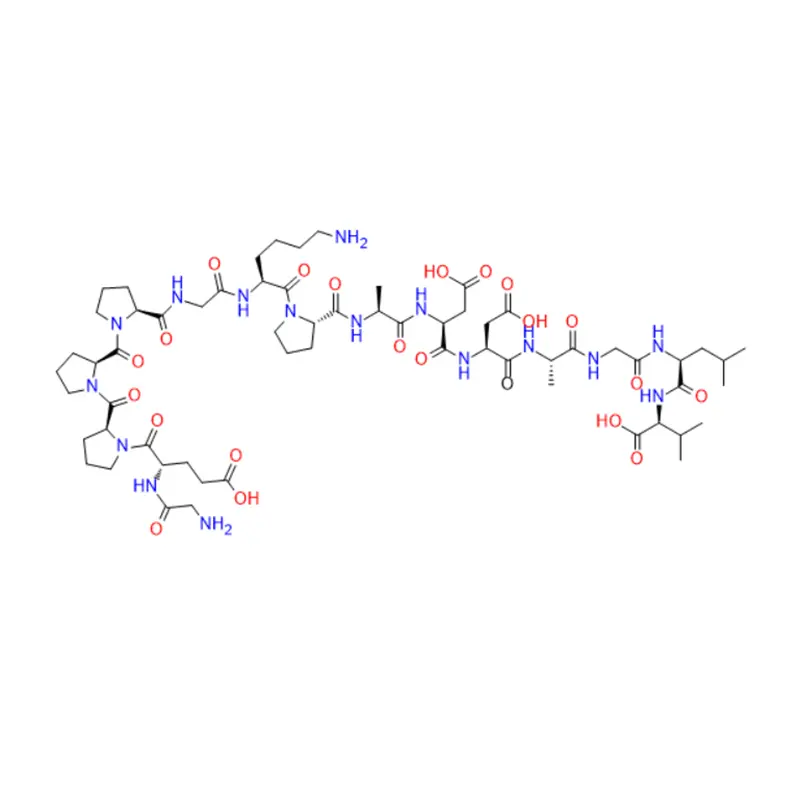
API-Drug Peptide BPC157 Pentadécapeptide Peptide intestinal favorise la régénération et la guérison
À propos de cet article
In human gastric juice, BPC 157 is stable for more than 24 hours, and thus it has good oral bioavailability (always given alone) and beneficial effects in the entire gastrointestinal tract . This is an important distinction from the otherstandard peptides, which are functionally dependent on theaddition of carrier or are otherwiserapidly destroyed in human gastric juice.Consequently, stable BPC 157 is suggested to be a mediator of Robert’s cytoprotection, which maintains the integrity ogastrointestinal mucosa. We suggest that the contribution of BPC 157 to Robert’s cytoprotection – that is, the ability to counteract fundamental alcohol-induced gastric lesions, which Robert called cytoprotection – and the ability to counteract lesions arising from the direct injurious contact of the noxious agent with the cell represent the peripheral connection between the gut and the brain axis. Perovic reported that BPC 157 has a marked therapeutic effect pertaining to the recovery of rats with a spinal cord injury with tail paralysis (1-minute compression injury of the sacrocaudal spinal cord [S2–Co1]). Specifically, a single intraperitoneal BPC 157 administration at 10 minutes post-injury counteracts the negative effects. By contrast, the spinal cord injury and tail paralysis persist in untreated rats, assessed days, weeks, months, and a year after the injury. Of note, BPC 157 attenuates the commonly caused damage . Thereby, BPC 157 therapy results in evident functional, microscopic, and electrophysiologic recovery .
Affichage du produit
IMG_20200609_154048
IMG_20200609_155449
IMG_20200609_161417
Pourquoi nous choisir
Of note, in rats with spinal cord injury, there is permanent reperfusion. Once BPC 157 is administered 10 minutes post-compression injury, there is continuous protection and no spontaneous spinal cord injury-induced disturbances reappear.All spinal cord injuries immediately provoke hemorrhage, with subsequent death of neurons and oligodendrocytes. Hence, it is conceivable that early hemostasis may be beneficial and enable functional recoveryafter spinal cord contusion in rats. However, the effect exerted by BPC 157 is likely different from the simple hemostatic effect that would attenuate spinal cord injury, because BPC 157 also markedly improves thrombocyte function in rats without affecting coagulation factors. During recovery from spinal cord injury, BPC 157 also directly protects the endothelium, alleviates peripheral vascular occlusion disturbances, rapidly activates alternative bypass pathways, and counteracts venous occlusion–induced syndromes. Thus, assuming that there is a substantial venous contribution to the spinal cord compression, it is conceivable that the reestablished blood flow mediated by BPC 157 may undoubtedly contribute to the rapid recovery effect. Furthermore, considering that BPC 157 promotes permanent reperfusion after spinal cord compression, it should be noted that when BPC 157 is given during reperfusion, it counteracts stroke induced by bilateral clamping of the common carotid arteries. BPC 157 resolves neuronal damage and prevents memory, locomotor, and coordination deficits. BPC 157 apparently exerts these effects by altering gene expression in the hippocampus . In conclusion, BPC 157 exerts beneficial effects on stroke, schizophrenia, and spinal cord injury . Researchers have consistently demonstrated that BPC 157 exerts a myriad of beneficial effects throughout the body. There is no reason to indicate that the benefits of BPC 157 are limited by the validity of the utilized models and/or methodology limitations. Indeed, we can argue that the effectiveness, easy applicability, safe clinical profile and mechanism of BPC 157 represent an alternative, likely successful, future therapeutic direction for neurological conditions. Therefore, additional studies are needed to clarify how potential BPC 157 therapy would specifically deal with a mechanism of action that involves multiple subcellular sites in the CNS. The influence on the function of most, if not all, neuronal systems at the molecular, cellular, and systemic levels should be explored. Some visceral repetitive relay of the CNS or circumventricular organs, one of the few regions in the brain without the blood-brain barrier, is a known pathway by which a systemically administered peptide can exert a central effect. Thus, it must act within the gut-brain axis, regardless of whether this action is direct or indirect.
En savoir plus
API-Drug Peptide Pepstatin/ PepstatinA Inhibition de la pepsine, de la cathepsine D et de la protéase du VIH
À propos de cet article
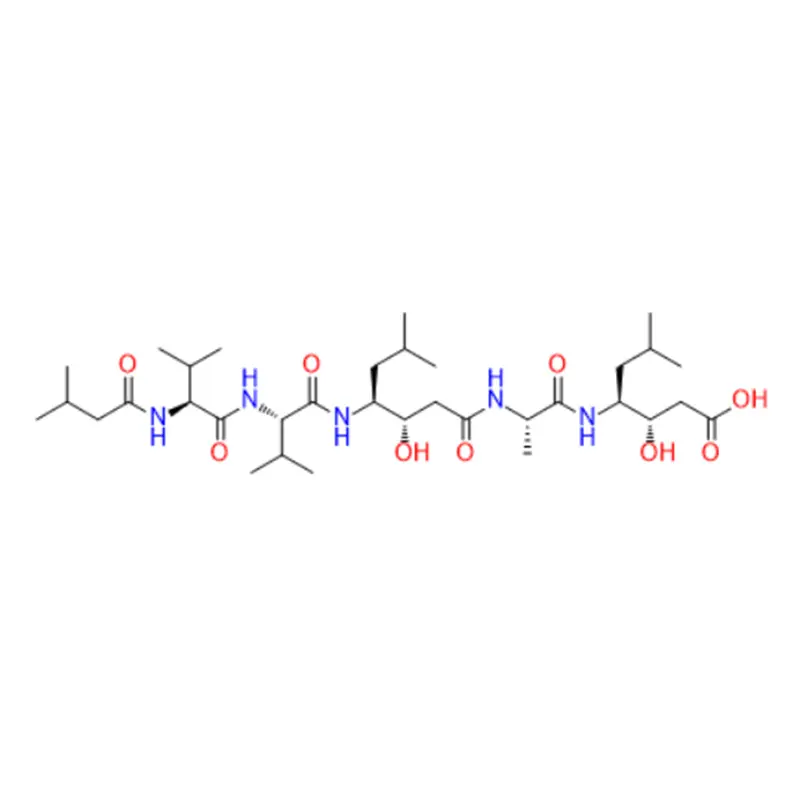
Pepstatin is a pentapeptide, a naturally occurring aspartyl protease inhibitor, which can inhibit aspartic protease and acid protease of various microorganisms. Pepstatin is mainly secreted by Streptomyces species and produced by Streptomyces. It can inhibit pepsin, pepsin D and angiotensin-releasing enzyme, and has therapeutic effects on gastric ulcer, renal hypertension, arthritis, carrageenan edema and other diseases. Pepstatin is a strong inhibitor of aspartyl proteases such as pepsin, cathepsin D, and renin. This natural pentapeptide isolated from actinomycetes was for many years the classic renin inhibitor in vitro.Pepstatin is not specific for renin and is poorly soluble in water. Structural derivatives of pepstatin increased its solubility and specificity for renin by several orders of magnitude.Pepstatin contains the unusual γ amino acid statin that may substitute for the two amino acids at the scissile bond of the protein substrate and block substrate cleavage because of the structural analogy to a transition state of the peptide bond hydrolysis by aspartyl proteases.
Affichage du produit
IMG_20200609_154048
IMG_20200609_155449
IMG_20200609_161417
Pourquoi nous choisir
Lorsque la protéine est extraite de cellules brisées, des protéases peuvent être libérées, qui doivent être rapidement inhibées pour empêcher la dégradation des protéines. Lors du processus d’extraction des protéines, des inhibiteurs de protéase doivent être ajoutés pour empêcher la protéolyse. L'inhibiteur de protéase fait généralement référence à une substance qui se lie à certains groupes du centre actif des molécules de protéase, de sorte que l'activité de la protéase diminue, voire disparaît, mais ne dénature pas la protéine enzymatique. La sensibilité des différentes protéases aux différentes protéines est différente, il est donc nécessaire d'ajuster la concentration des différentes protéases. Étant donné que la solubilité de l'inhibiteur de protéase dans le liquide est extrêmement faible, il convient de prêter une attention particulière au fait que l'inhibiteur de protéase soit entièrement mélangé dans le tampon afin de réduire la précipitation de l'inhibiteur de protéase. La pepstantine A peut inhiber les protéases acides telles que la pepsine, l'angiotensine, la collagénase, la cathepsine D et la chymosine.
API-Drug Peptid1
Pepstatin A is an inhibitor of cathepsin d and e. After HEK293 cells were treated with different concentrations of pepstatin A for 24 hours, the expression of LC3Ⅱ and p62 was detected. The results showed that pepstatin A could significantly enhance the expression of LC3Ⅱ and P62 (P < 0.05) in a dose-dependent manner. 20μ g/ml pepstatin A was used to treat HEK293 at different time intervals, and the effects of different time intervals on the expression of LC3II and p62 were observed. The results showed that pepstatin A could up-regulate the expression of LC3II and p62 in a time-dependent manner. We are a polypeptide manufacturer in China, with several years of mature experience in polypeptide production. Hangzhou Taijia Biotech Co., Ltd. is a professional polypeptide raw material manufacturer, which can provide tens of thousands of polypeptide raw materials and can also be customized according to needs. The quality of polypeptide products is excellent, and the purity can reach 98%, which has been recognized by users all over the world.Welcome to consult us.
En savoir plus
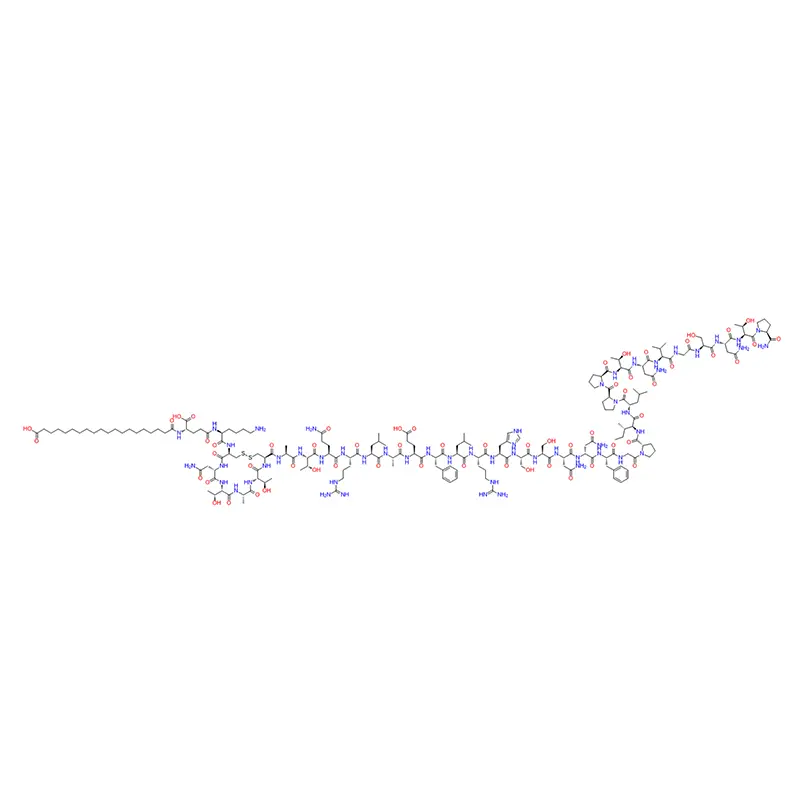
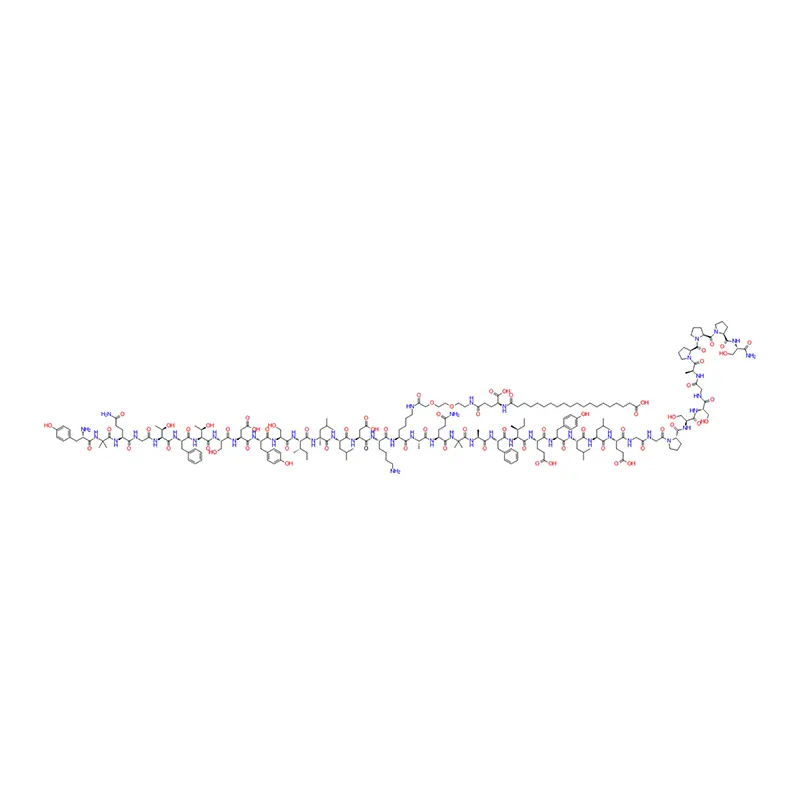
Cagrilintide : un double agoniste AMYR/CTR pour la recherche sur l'obésité
À propos de cet article
Le cagrilintide est un peptide synthétique qui imite l'action de l'amyline, une hormone sécrétée par le pancréas qui régule la glycémie et l'appétit. Il est composé de 38 acides aminés et contient une liaison disulfure. Le cagrilintide se lie à la fois aux récepteurs de l'amyline (AMYR) et aux récepteurs de la calcitonine (CTR), qui sont des récepteurs couplés aux protéines G exprimés dans divers tissus, tels que le cerveau, le pancréas et les os. En activant ces récepteurs, le cagrilintide peut réduire la prise alimentaire, abaisser la glycémie et augmenter la dépense énergétique. Le cagrilintide a été étudié comme traitement potentiel de l'obésité, un trouble métabolique caractérisé par un excès de graisse corporelle et un risque accru de diabète, de maladies cardiovasculaires et de cancer. Le cagrilintide a montré des résultats prometteurs dans des études animales et des essais cliniques, démontrant une perte de poids significative et un meilleur contrôle glycémique chez les patients obèses avec ou sans diabète de type 2.
Affichage du produit
IMG_20200609_154048
IMG_20200609_155449
IMG_20200609_161417
Pourquoi nous choisir
produit1
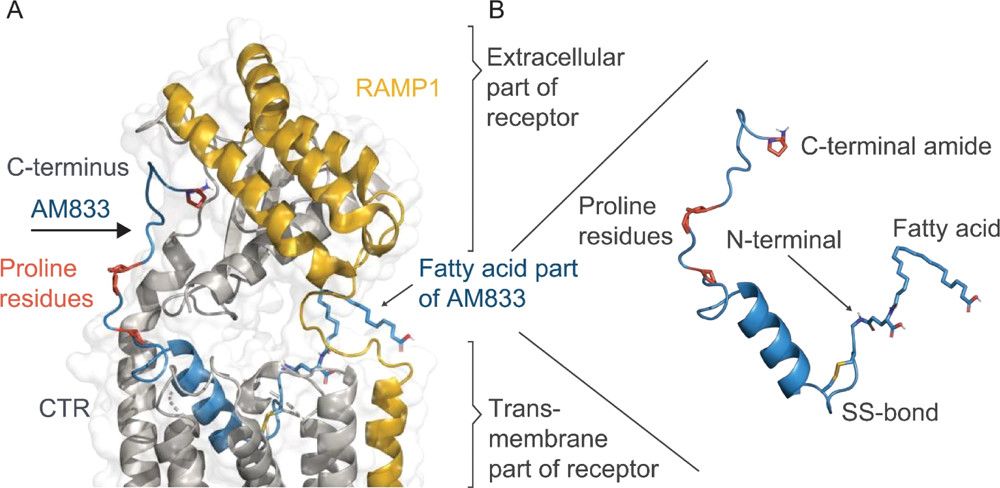
Figure 1. Modèle d'homologie du cagrilintide (23) lié à AMY3R. (A) La partie N-terminale de 23 (bleu) est formée par une hélice a amphipathique, profondément enfouie dans le domaine TM d'AMY3R, tandis que la partie C-terminale devrait adopter une conformation étendue qui lie la partie extracellulaire du récepteur. (29,30) L'acide gras attaché à l'extrémité N-terminale de 23, les résidus proline (qui minimisent la fibrillation) et l'amide C-terminal (essentiel à la liaison au récepteur) sont mis en évidence dans les représentations en bâton. AMY3R est formé par CTR (gris) lié à RAMP3 (protéine modifiant l'activité du récepteur 3 ; orange). Le modèle structurel a été créé à l'aide des structures modèles suivantes : une structure complexe de CGRP (récepteur de type récepteur de calcitonine ; code pdb 6E3Y) et une structure cristalline apo du squelette 23 (code pdb 7BG0). (B) Gros plan sur 23 mettant en évidence la liaison disulfure N-terminale, un pont salin interne entre les résidus 14 et 17, un « motif de fermeture éclair à leucine » et une liaison hydrogène interne entre les résidus 4 et 11. (adapté de Kruse T, Hansen JL, Dahl K, Schäffer L, Sensfuss U, Poulsen C, Schlein M, Hansen AMK, Jeppesen CB, Dornonville de la Cour C, Clausen TR, Johansson E, Fulle S, Skyggebjerg RB, Raun K. Développement du Cagrilintide, un analogue de l'amyline à action prolongée. J Med Chem. 12 août 2021;64(15):11183-11194.)
Some of the biological applications of cagrilintide are: Cagrilintide can modulate the activity of neurons in the hypothalamus, the brain region that controls appetite and energy balance (Lutz et al., 2015, Front Endocrinol (Lausanne)). Cagrilintide can inhibit the firing of orexigenic neurons, which stimulate hunger, and activate anorexigenic neurons, which suppress hunger. For example, cagrilintide can reduce the expression of neuropeptide Y (NPY) and agouti-related peptide (AgRP), two potent orexigenic peptides, and increase the expression of proopiomelanocortin (POMC) and cocaine- and amphetamine-regulated transcript (CART), two anorexigenic peptides, in the arcuate nucleus of the hypothalamus (Roth et al., 2018, Physiol Behav). Cagrilintide can also enhance the satiating effect of leptin, a hormone that signals the body’s energy status. Leptin is secreted by adipose tissue and binds to leptin receptors on hypothalamic neurons, inhibiting orexigenic neurons and activating anorexigenic neurons. Cagrilintide can increase the sensitivity of leptin receptors and potentiate leptin-induced activation of signal transducer and activator of transcription 3 (STAT3), a transcription factor that mediates leptin’s effects on gene expression (Lutz et al., 2015, Front Endocrinol (Lausanne)). These effects can reduce food intake and increase energy expenditure, leading to weight loss.
produit2
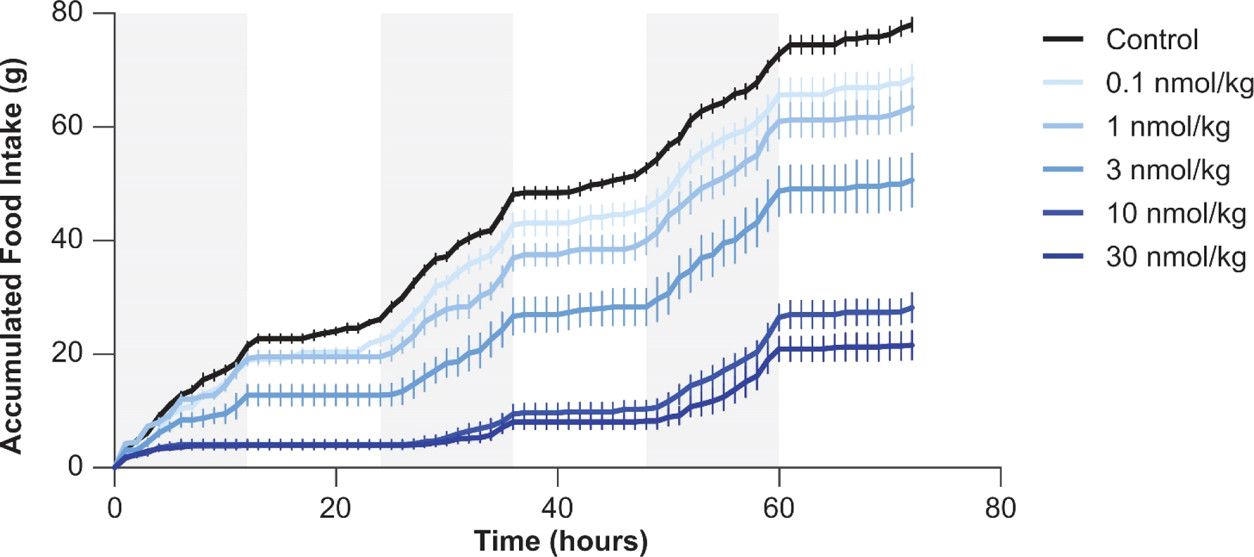
Figure 2. Food intake in rats after subcutaneous administration of Cagrilintide 23. (adapted from Kruse T, Hansen JL, Dahl K, Schäffer L, Sensfuss U, Poulsen C, Schlein M, Hansen AMK, Jeppesen CB, Dornonville de la Cour C, Clausen TR, Johansson E, Fulle S, Skyggebjerg RB, Raun K. Development of Cagrilintide, a Long-Acting Amylin Analogue. J Med Chem. 2021 Aug 12;64(15):11183-11194.) Cagrilintide can regulate the secretion of insulin and glucagon, two hormones that control blood glucose levels. Cagrilintide can inhibit glucagon secretion from alpha cells in the pancreas, which prevents excessive glucose production by the liver. Glucagon is a hormone that stimulates the breakdown of glycogen and the synthesis of glucose in the liver, raising blood glucose levels. Cagrilintide can suppress glucagon secretion by binding to amylin receptors and calcitonin receptors on alpha cells, which are coupled to inhibitory G proteins that reduce cyclic adenosine monophosphate (cAMP) levels and calcium influx. Cagrilintide can also potentiate insulin secretion from beta cells in the pancreas, which enhances glucose uptake by the muscles and adipose tissue. Insulin is a hormone that promotes the storage of glucose as glycogen in the liver and muscles, and the conversion of glucose to fatty acids in adipose tissue, lowering blood glucose levels. Cagrilintide can enhance insulin secretion by binding to amylin receptors and calcitonin receptors on beta cells, which are coupled to stimulatory G proteins that increase cAMP levels and calcium influx. These effects can lower blood glucose levels and improve insulin sensitivity, which can prevent or treat type 2 diabetes (Kruse et al., 2021, J Med Chem; Dehestani et al., 2021, J Obes Metab Syndr.). Cagrilintide can also affect the function of osteoblasts and osteoclasts, two types of cells that are involved in bone formation and resorption. Osteoblasts are responsible for producing new bone matrix, while osteoclasts are responsible for breaking down old bone matrix. The balance between osteoblasts and osteoclasts determines the bone mass and strength. Cagrilintide can stimulate osteoblast differentiation and activity, which increases bone formation. Cagrilintide can bind to amylin receptors and calcitonin receptors on osteoblasts, which activate intracellular signaling pathways that promote osteoblast proliferation, survival, and matrix synthesis (Cornish et al., 1996, Biochem Biophys Res Commun. ). Cagrilintide can also increase the expression of osteocalcin, a marker of osteoblast maturation and function (Cornish et al., 1996, Biochem Biophys Res Commun.). Cagrilintide can also inhibit osteoclast differentiation and activity, which decreases bone resorption. Cagrilintide can bind to amylin receptors and calcitonin receptors on osteoclast precursors, which inhibit their fusion into mature osteoclasts (Cornish et al., 2015). Cagrilintide can also reduce the expression of tartrate-resistant acid phosphatase (TRAP), a marker of osteoclast activity and bone resorption (Cornish et al., 2015, Bonekey Rep.). These effects can improve bone mineral density and prevent or treat osteoporosis, a condition characterized by low bone mass and increased fracture risk (Kruse et al., 2021; Dehestani et al., 2021, J Obes Metab Syndr.)
En savoir plus
API-Drug Peptide Ziconotide/OMEGA-CGTX MVII Un inhibiteur des canaux calciques de type N
À propos de cet article
Il convient à l'injection intrathécale et à d'autres méthodes de traitement (telles que les analgésiques systémiques, le traitement adjuvant ou la gaine). Le ziconotide est un inhibiteur calcique puissant, sélectif et réversible de type N, sensible à la tension, qui est efficace pour la douleur réfractaire et ne produit pas de résistance aux médicaments après une administration à long terme, et il ne provoque pas de dépendance physique et mentale, ni de dépression respiratoire potentiellement mortelle due à surdosage. La dose quotidienne recommandée est inférieure, avec un bon effet curatif, une sécurité élevée, moins d'effets indésirables, aucune résistance aux médicaments ni dépendance. Ce produit a d’énormes perspectives de marché en tant qu’analgésique.
Affichage du produit
IMG_20200609_154048
IMG_20200609_155449
IMG_20200609_161417
Pourquoi nous choisir
According to incomplete statistics, the incidence of pain in the world is about 35% ~ 45% at present, and the incidence of pain in the elderly is relatively high, about 75% ~ 90%. An American survey shows that the incidence of migraine increased from 23.6 million in 1989 to 28 million in 2001. In the investigation of chronic pain in six cities in China, it is found that the incidence of chronic pain in adults is 40%, and the rate of medical treatment is 35%; The incidence of chronic pain in the elderly is 65% ~ 80%, and the rate of seeing a doctor is 85%. In recent years, the medical expenses for pain relief are increasing year by year. From 2013 to July 2015, the Pain Research Center in the United States and several medical institutions conducted a long-term, multi-center and observational study on intrathecal injection of ziconotide in 93 adult white female patients with severe chronic pain. The pain digital score scale and the overall sensory score of patients with intrathecal injection of ziconotide and without injection of ziconotide were compared Among them, 51 patients used intrathecal injection of ziconotide, while 42 patients did not. The baseline pain scores were 7.4 and 7.9, respectively. The recommended dose of intrathecal injection of ziconotide was 0.5-2.4 mcg/ day, which was adjusted according to the patient's pain response and side effects. The average initial dose was 1.6 mcg/ day, 3.0 mcg/ day at 6 months and 2.5 at 9 months. At 12 months, it was 1.9 mcg/ day, and after 6 months, the decrease rate was 29.4%, the contrast increase rate was 6.4%, and the improvement rate of overall sensory score was 69.2% and 35.7% respectively. After 12 months, the decrease rate was 34.4% and 3.4% respectively, and the improvement rate of overall sensory score was 85.7% and 71.4% respectively. The highest side effects were nausea (19.6% and 7.1%), hallucination (9.8% and 11.9%) and dizziness (13.7% and 7.1%). The results of this study once again confirmed the effectiveness and safety of ziconotide recommended as a first-line intrathecal injection. The preliminary study on ziconotide can be traced back to the 1980s, when the potential therapeutic application of rigid and protein-like peptides in conus venom was explored for the first time. These conotoxins are small peptides rich in disulfide bonds, usually 10-40 residues in length, to target various ion channels, GPCR and transporter proteins efficiently and selectively. Ziconotide is a 25-peptide derived from Conus magus, which contains three disulfide bonds, and its short β-fold is spatially arranged into a unique three-dimensional structure, which allows it to selectively inhibit CaV2.2 channels.
En savoir plus
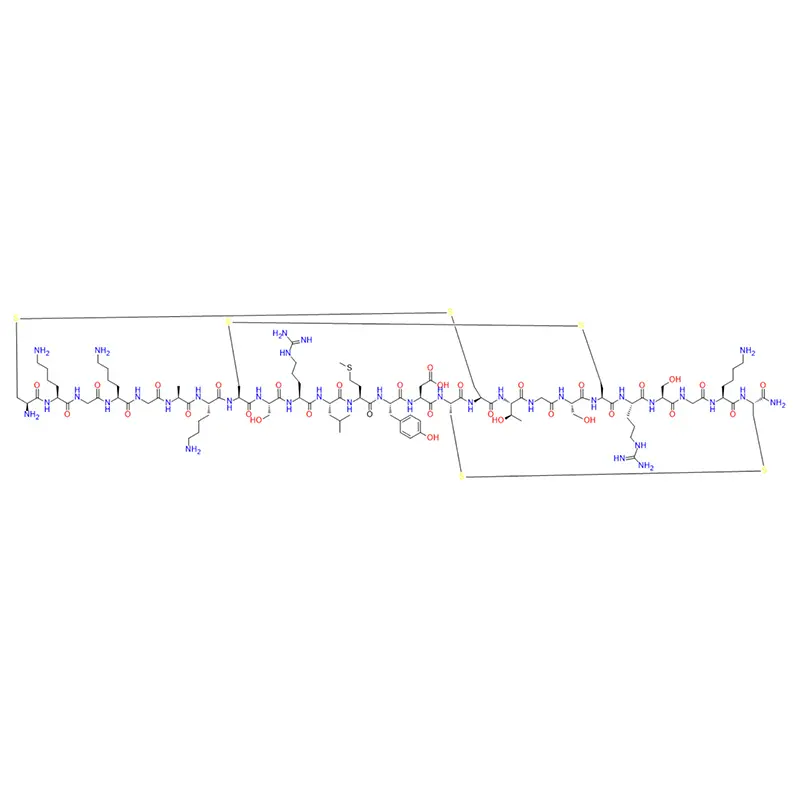
API-Drug Peptide Linaclotide : une pilule pour le soulagement et le confort intestinaux
À propos de cet article
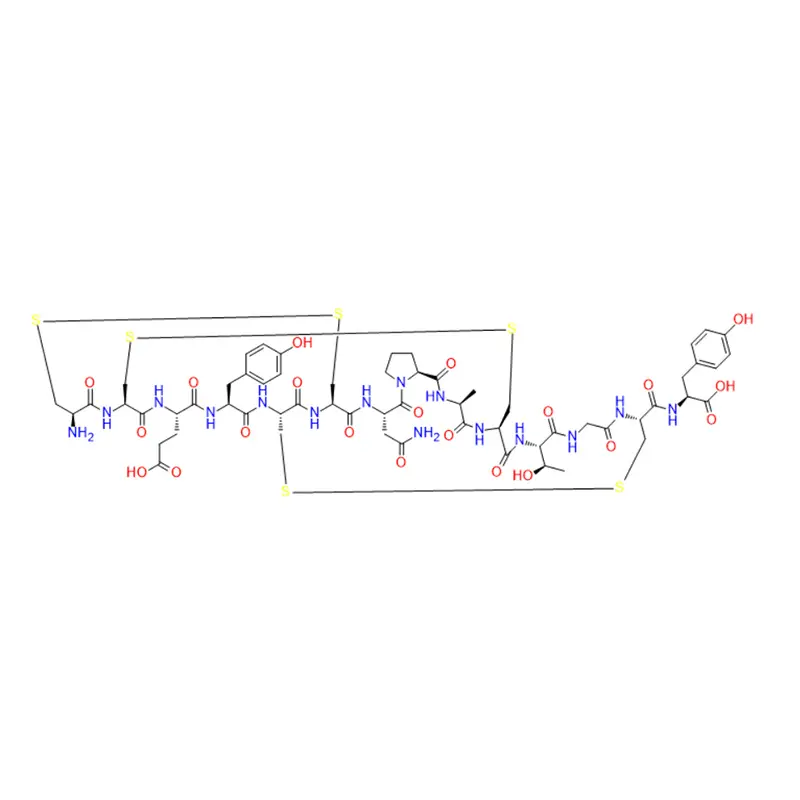
Linaclotide is a cyclic peptide that consists of 14 amino acids, three of which are cysteines that form disulfide bonds. Linaclotide is structurally related to the endogenous peptides guanylin and uroguanylin, which are natural ligands of the guanylate cyclase C (GC-C) receptor. The GC-C receptor is expressed on the luminal surface of the intestinal epithelial cells, where it regulates fluid secretion and intestinal motility. Linaclotide binds to the GC-C receptor with high affinity and specificity, and activates it by increasing the intracellular levels of cyclic guanosine monophosphate (cGMP). cGMP is a second messenger that mediates various cellular responses, such as chloride and bicarbonate secretion, smooth muscle relaxation, and pain modulation. Linaclotide acts locally in the gastrointestinal tract, and does not penetrate the blood-brain barrier or affect the central nervous system. Linaclotide also produces an active metabolite, MM-419447, which has similar pharmacological properties to linaclotide. Both linaclotide and its metabolite are resistant to proteolytic degradation by intestinal enzymes, and are mainly eliminated unchanged in the feces (MacDonald et al., Drugs, 2017). By activating the GC-C receptor, linaclotide increases the secretion of fluid into the intestinal lumen, which softens the stool and facilitates bowel movements. Linaclotide also reduces the visceral hypersensitivity and inflammation that are associated with irritable bowel syndrome (IBS) and other gastrointestinal disorders. Linaclotide modulates the activity of the enteric nervous system and the colonic nociceptors, which are sensory neurons that transmit pain signals from the gut to the brain. Linaclotide decreases the expression of pain-related genes, such as substance P and calcitonin gene-related peptide (CGRP), and increases the expression of opioid receptors, which mediate analgesia. Linaclotide also reduces the release of pro-inflammatory cytokines, such as interleukin-1 beta (IL-1β) and tumor necrosis factor alpha (TNF-α), and increases the release of anti-inflammatory cytokines, such as interleukin-10 (IL-10) and transforming growth factor beta (TGF-β). These effects of linaclotide improve the symptoms of constipation and abdominal pain in patients with IBS or chronic constipation (Lembo et al., The American Journal of Gastroenterology, 2018). Linaclotide has been shown to be effective and well-tolerated in several clinical trials involving patients with CC or IBS-C. In these trials, linaclotide improved bowel habits, such as stool frequency, consistency, and completeness; reduced abdominal pain and discomfort; and enhanced quality of life and patient satisfaction. Linaclotide also demonstrated a favorable safety profile, with diarrhea being the most common adverse event. The incidence of diarrhea was dose-dependent and usually mild to moderate in severity. Other adverse events were generally similar to placebo or low in frequency. No serious adverse events or deaths were attributed to linaclotide treatment (Rao et al., Clinical Gastroenterology and Hepatology, 2015).
Affichage du produit
montre (2)
montre (3)
montre (1)
Pourquoi nous choisir
Le linaclotide est un médicament nouveau et efficace pour les patients atteints de CC et d'IBS-C qui n'ont pas bien répondu aux thérapies conventionnelles. Il agit en imitant l'action des peptides endogènes qui régulent la fonction et la sensation intestinales. Le linaclotide peut améliorer les habitudes intestinales, réduire les douleurs abdominales et améliorer la qualité de vie de ces patients.
produits
Figure 1. Abdominal pain/abdominal discomfort and IBS degree of relief weekly responders over the 12-week.  , placebo; , linaclotide 290 μg. (Yang, Y., Fang, J., Guo, X., Dai, N., Shen, X., Yang, Y., Sun, J., Bhandari, B. R., Reasner, D. S., Cronin, J. A., Currie, M. G., Johnston, J. M., Zeng, P., Montreewasuwat, N., Chen, G. Z., and Lim, S. (2018) Linaclotide in irritable bowel syndrome with constipation: A Phase 3 randomized trial in China and other regions. Journal of Gastroenterology and Hepatology, 33: 980–989. doi: 10.1111/jgh.14086.) We are a polypeptide manufacturer in China, with several years of mature experience in polypeptide production. Hangzhou Taijia Biotech Co., Ltd. is a professional polypeptide raw material manufacturer, which can provide tens of thousands of polypeptide raw materials and can also be customized according to needs. The quality of polypeptide products is excellent, and the purity can reach 98%, which has been recognized by users all over the world.Welcome to consult us.
En savoir plus
Mazdutide 2259884-03-0
En savoir plus
Rétatrutide/2381089-83-2
En savoir plus
Médicament API/Tirzépatide/USDMF/GMP
En savoir plus
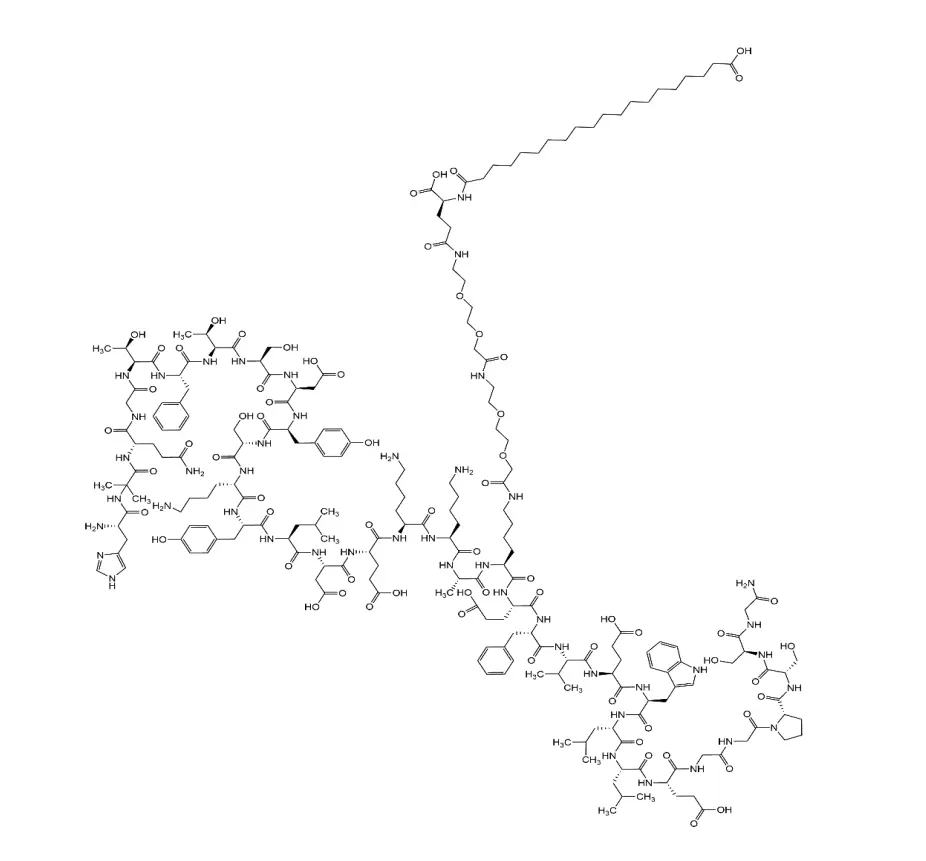
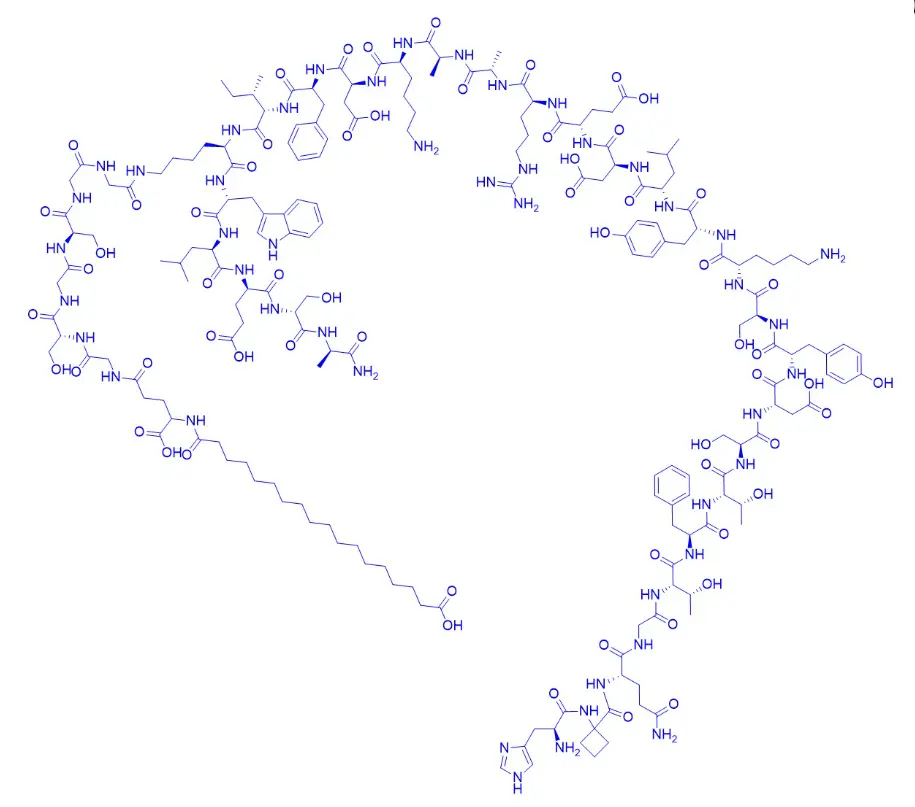
API Médicament Sémaglutide, API Peptide

N° CAS : 910463-68-2

Formule moléculaire : C187H291N45O59
Poids moléculaire : 4113,64
Séquence : His-Aib-Glu-Gly-Thr-Phe-Thr-Ser-Asp-Val-Ser-Ser-Tyr-Leu-Glu-Gly-Gln-Ala-Ala-N6-[N-(17-carboxy-1-oxoheptadécyl-L-γ-glutamyl[2-(2-aminoéthoxy)éthoxy] acétyl[2-(2-aminoéthoxy)éthoxy]acétyl]-Lys-Glu-Phe-Ile-Ala-Trp-Leu-Val-Arg-Gly-Arg-Gly-OH

Application : Un analogue du peptide-1 de type glucagon humain (GLP-1) à action prolongée utilisé pour le traitement du diabète.
En savoir plus
Survodutide/CAS:2805997-46-8
En savoir plus
Peptide cosmétique acétyl hexapeptide -8/Argireline matières premières cosmétiques anti-rides à haute activité
À propos de cet article
Acetyl hexapeptide -8, also known as akirelin and hexapeptide. Acetyl hexapeptide -8 is also called "botulinum toxin-like"/"smear botulinum toxin" by many people. It can be said that aquiline is an anti-wrinkle polypeptide with better effect than botulinum toxin.
Affichage du produit
IMG_20200609_154048
IMG_20200609_155449
IMG_20200609_161417
Pourquoi nous choisir
As we all know, botulinum toxin is a beauty product that needs injection. It is extremely dangerous to use, and needs to be used by professionals. The dosage should be strictly controlled, but it still cannot avoid various side effects such as facial stiffness and facial paralysis. Argireline was verified in the human experiments of cosmetics manufacturers: the average wrinkle depth decreased by 16.9% and 27.0% after 15 and 30 days with 10% Argireline solution, and the wrinkle volume decreased by 20.6% and the wrinkle length decreased by 15.9% after only 7 days with 2% Argireline solution. It can be seen that the effect of achillerin on wrinkles is very significant.
spectacles1
Wrinkles in human facial skin are mostly caused by collagen relaxation and involuntary contraction of muscles. If the contraction of these muscles can be controlled, the skin muscles can be relaxed to relieve wrinkles and achieve the fundamental purpose of removing wrinkles. Botulinum toxin, as an effective wrinkle removal method, is widely known for its excellent effect. Even if it will cause great risks after use, there will still be a large number of consumers willing to use it. Polypeptide is different. As an organic synthetic product, when used as a cosmetic ingredient, it can be rapidly degraded into free amino acids at low concentration. Its main sequence is based on human body and its mechanism of action is natural. The characteristics of small molecular peptides enable them to have good transdermal permeability and are well absorbed by the human body. Acetyl hexapeptide -8 prevents nerve from transmitting muscle contraction information through the mechanism similar to botulinum toxin, so that muscle cannot contract to eliminate wrinkles. It has high anti-wrinkle activity and few side effects, and has been widely used in various high-end cosmetics.
spectacles2
Nous sommes un fabricant de polypeptides en Chine, avec plusieurs années d'expérience dans la production de polypeptides. Hangzhou Taijia Biotech Co., Ltd. est un fabricant professionnel de matières premières polypeptidiques, qui peut fournir des dizaines de milliers de matières premières polypeptidiques et peut également être personnalisé en fonction des besoins. La qualité des produits polypeptidiques est excellente et la pureté peut atteindre 98 %, ce qui a été reconnu par les utilisateurs du monde entier. Bienvenue pour nous consulter.
En savoir plus
Peptide cosmétique de peptide de cuivre GHK-CU,9030-95-5,tripeptide-cuivre,130120-57-9(2:1)/1227510-36-2Tripeptide-1
En savoir plus

Capacités de recherche avancées

Hangzhou Hotide dispose d’installations de recherche de pointe et d’une équipe de scientifiques expérimentés dédiés à l’innovation peptidique.

Synthèse peptidique en phase solide

Technologie SPPS de pointe pour produire des peptides de haute qualité jusqu'à 150 acides aminés

Synthèse en phase solution

Synthèse personnalisée de peptides complexes nécessitant des méthodologies en phase solution

Modification peptidique

Expertise dans diverses modifications peptidiques, notamment la glycosylation, la PEGylation et la cyclisation

Tests analytiques

Caractérisation complète des peptides par HPLC, MS, RMN et d'autres techniques avancées

Pourquoi as-tu choisi
notre entreprise

À l'heure actuelle, nous pouvons fournir : des glycopeptides, des peptides marqués par des isotopes, des peptides chélateurs macrocycliques, des peptides antigéniques complexes MAPS, qui sont utilisés dans diverses recherches scientifiques ; Toutes sortes de peptides marqués par fluorescence sont appliqués à la détermination de l'activité enzymatique et à l'étude des sondes moléculaires ; Peptide chimique Click, peptide modifié au polyéthylène glycol, peptide cyclique et peptide pénétrant dans les cellules, qui sont appliqués à la recherche de divers médicaments polypeptidiques pour améliorer la demi-vie et l'activité des médicaments polypeptidiques.

Dernières nouvelles et mises à jour

Restez informé de nos derniers développements, avancées en recherche et actualités de l'industrie

Contactez-nous

Vous avez des questions ou besoin d'aide ? Notre équipe est prête à répondre à vos besoins en peptides.

Envoyez-nous un message

Coordonnées

Adresse

District de Qiantang, ville de Hangzhou, province du Zhejiang, Chine

Heures

Lundi-vendredi : 9h à 18h

Saturday, Sunday: Closed

Copyright © 2025 Hangzhou Hotide Biotech Co., Ltd. Tous droits réservés.

Contactez-nous

Demander une demande