Lista de produtos

Contate-nos

  • Hangzhou Hotide Biotecnologia Co., Ltd.
  • info@hangzhouhotide.com
  • Distrito de Qiantang, cidade de Hangzhou, província de Zhejiang, China
    Catálogo-peptídeo-GsMTx4-A-Aranha-Venom-Peptídeo-Inibe-Canais Mecanossensíveis
    X
    Catálogo-peptídeo-GsMTx4-A-Aranha-Venom-Peptídeo-Inibe-Canais Mecanossensíveis

    Peptídeo de catálogo GsMTx4: um peptídeo de veneno de aranha inibe canais mecanossensíveis

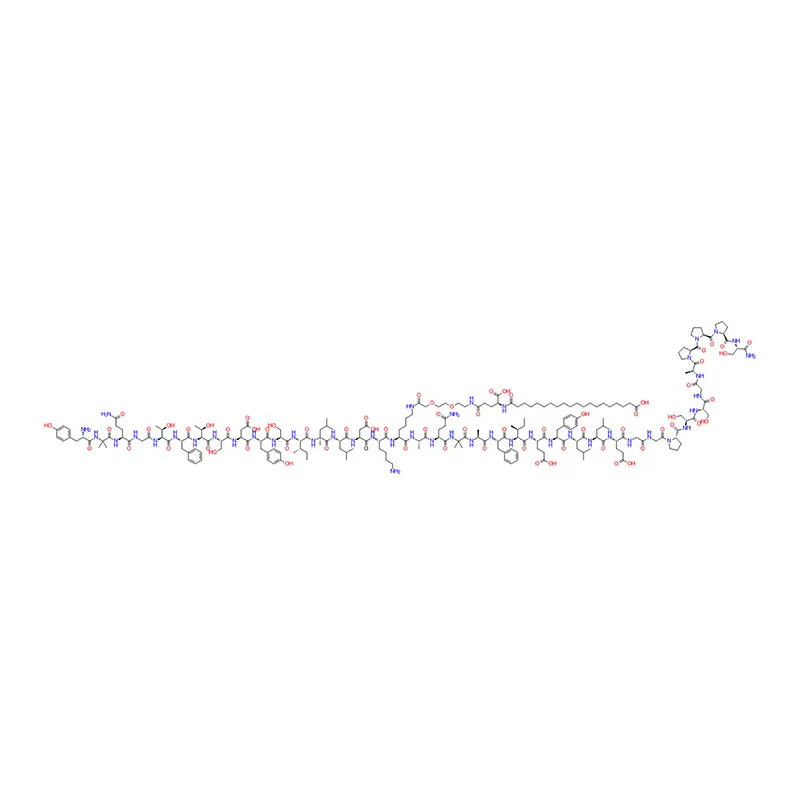
    GsMTx4 é um peptídeo de 35 resíduos com estrutura de nó de cisteína, derivado do veneno da aranha Grammostola rosea. Ele se liga e inibe canais mecanossensíveis catiônicos (MSCs), que são proteínas de membrana que transduzem estímulos mecânicos em fluxos iônicos. As MSCs regulam vários processos fisiológicos e patológicos, como hemodinâmica, nocicepção, reparo tecidual, inflamação, tumorigênese e destino de células-tronco. GsMTx4 modula esses processos afetando funções celulares mediadas por MSC, como potencial de membrana, sinalização de cálcio, contratilidade e expressão gênica. GsMTx4 tem sido aplicado em modelos animais e celulares para explorar seu potencial terapêutico em neuroproteção, anti-inflamação, anticancerígeno e engenharia de tecidos. GsMTx4 é uma ferramenta farmacológica valiosa para elucidar o papel das MSCs na fisiologia e patologia.

    Categorias:

    Entre em contato agora
    Sobre este item
    GsMTx4 é um peptídeo de 35 aminoácidos com quatro ligações dissulfeto que formam um motivo de nó de cisteína, que é uma característica estrutural comum de muitos peptídeos de veneno de aranha que conferem estabilidade e especificidade. O mecanismo de ação da GsMTx4 não está totalmente elucidado, mas acredita-se que ela se ligue aos domínios extracelulares ou transmembranares das MSCs catiônicas e bloqueie a abertura ou bloqueio dos poros, alterando sua conformação ou tensão da membrana. Foi demonstrado que o GsMTx4 inibe várias MSCs catiônicas com diferentes seletividade e potência. Por exemplo, GsMTx4 inibe TRPC1 com um IC50 de 0,5 μM, TRPC6 com um IC50 de 0,2 μM, Piezo1 com um IC50 de 0,8 μM, Piezo2 com um IC50 de 0,3 μM, mas não tem efeito sobre TRPV1 ou TRPV4 em concentrações de até 10 μM. (Bae C et al 2011, Bioquímica)
    Exibição do produto
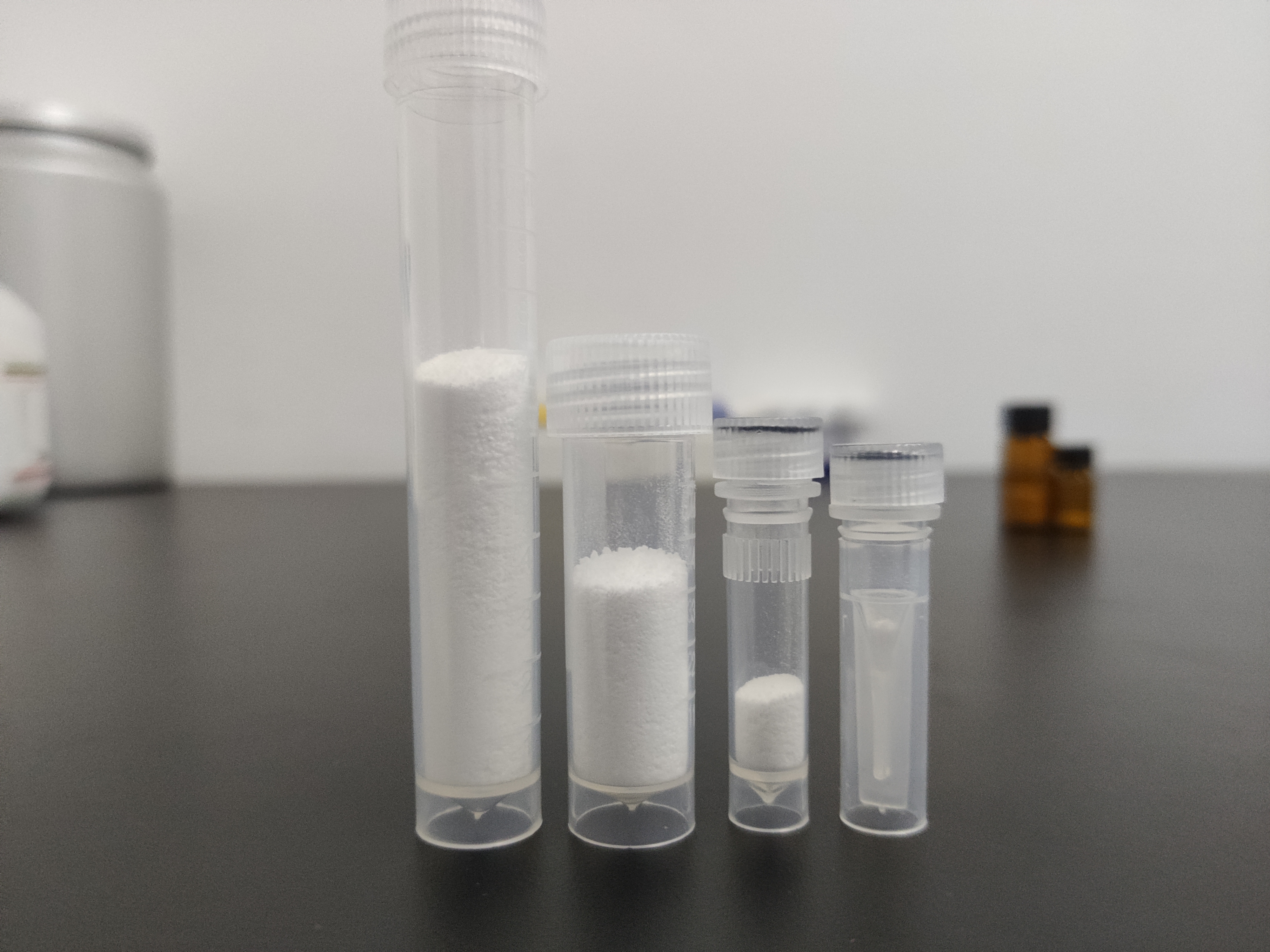
    produto_show (1)
    produto_show (2)
    produto_show (3)
    Por que nos escolher
    GsMTx4 has been used as a pharmacological tool to study the function and regulation of cationic MSCs in various cell types and tissues. Some of the examples are: GsMTx4 can block the MSCs that are activated by stretching in astrocytes, cardiac cells, smooth muscle cells and skeletal muscle cells. Astrocytes are star-shaped cells that support the brain and spinal cord. Cardiac cells are the cells that make up the heart muscle. Smooth muscle cells are the cells that control the movement of organs like the stomach and blood vessels. Skeletal muscle cells are the cells that enable voluntary movement of the body. By blocking the MSCs in these cells, GsMTx4 can change their electrical properties, calcium levels, contraction and relaxation, and gene expression. These changes can affect how these cells function normally or in disease conditions (Suchyna et al., Nature 2004; Bae et al., Biochemistry 2011; Ranade et al., Neuron 2015; Xiao et al., Nature Chemical Biology 2011) GsMTx4 can also block a special type of MSC called TACAN, which is involved in the pain response. TACAN is a channel that is expressed in nerve cells that sense pain. TACAN is activated by mechanical stimuli, such as pressure or pinching, and causes pain sensations. GsMTx4 can reduce the activity of TACAN and decrease pain behavior in animal models of mechanical pain (Wetzel et al., Nature Neuroscience 2007; Eijkelkamp et al., Nature Communications 2013) GsMTx4 can protect astrocytes from toxicity induced by a molecule called lysophosphatidylcholine (LPC), which is a lipid mediator that causes damage to the brain and spinal cord. LPC can activate MSCs in astrocytes and cause them to take up too much calcium, which leads to oxidative stress and cell death. GsMTx4 can prevent LPC from activating MSCs in astrocytes and protect them from toxicity. GsMTx4 can also reduce brain damage and improve neurological function in mice that have been injected with LPC (Gottlieb et al., Journal of Biological Chemistry 2008; Zhang et al., Journal of Neurochemistry 2019) GsMTx4 can modulate neural stem cell differentiation by blocking a specific type of MSC called Piezo1, which is expressed in neural stem cells. Neural stem cells are cells that can make new neurons or other types of brain cells. Piezo1 is a channel that is activated by mechanical cues from the environment, such as stiffness or pressure, and influences how neural stem cells decide what type of cell to become. GsMTx4 can interfere with Piezo1 activity and change neural stem cell differentiation from neurons to astrocytes (Pathak et al., Journal of Cell Science 2014; Lou et al., Cell Reports 2016)
    Contate-nos
    Somos um fabricante de polipeptídeos na China, com vários anos de experiência madura na produção de polipeptídeos. Hangzhou Taijia Biotech Co., Ltd. é um fabricante profissional de matérias-primas polipeptídicas, que pode fornecer dezenas de milhares de matérias-primas polipeptídicas e também pode ser personalizado de acordo com as necessidades. A qualidade dos produtos polipeptídicos é excelente e a pureza pode chegar a 98%, o que tem sido reconhecido por usuários de todo o mundo.

    Solicitar Consulta

    Direitos autorais © 2025 Hangzhou Hotide Biotech Co., Ltd. Todos os direitos reservados.

    Contate-nos

    Solicitar Consulta