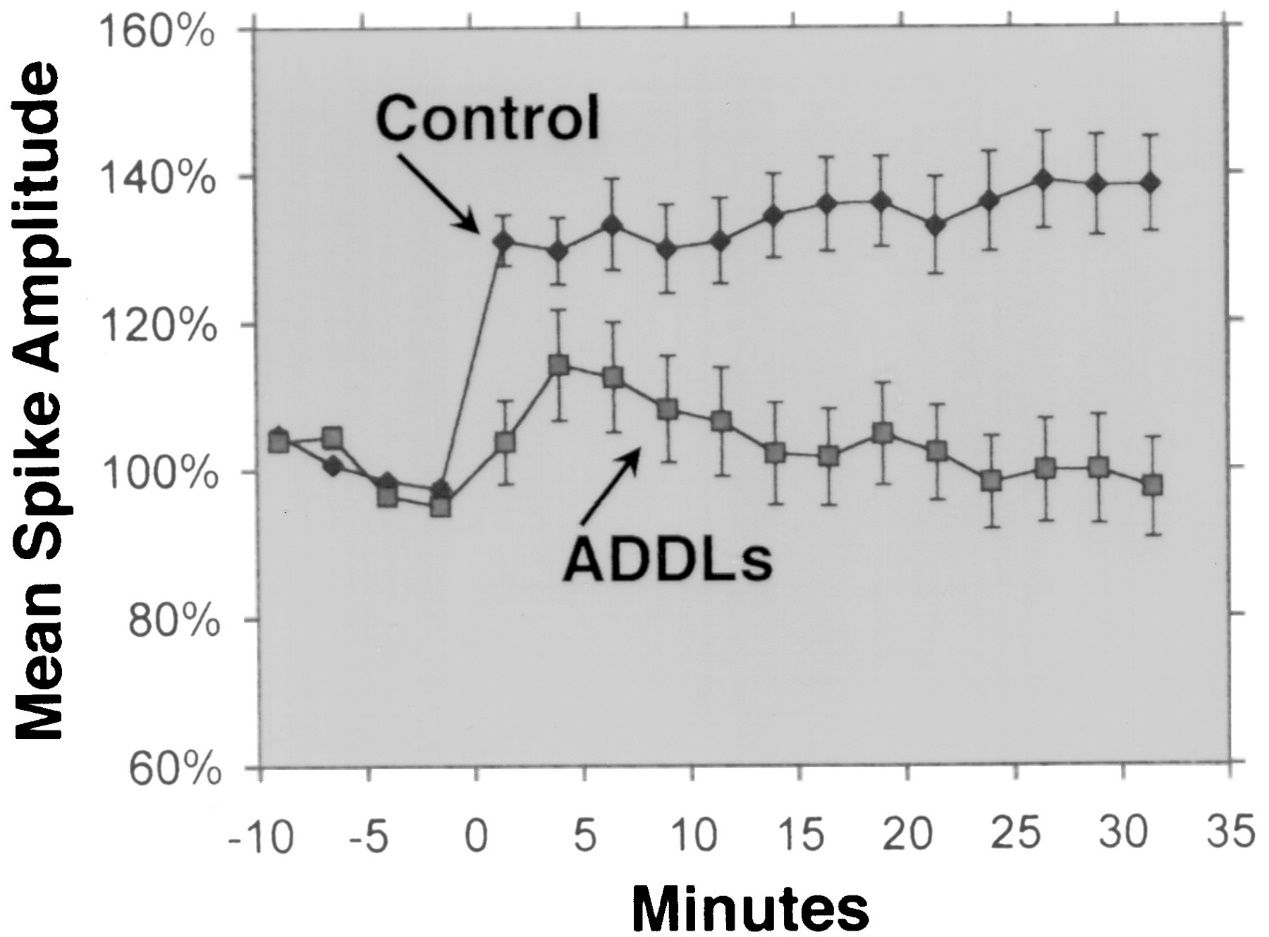
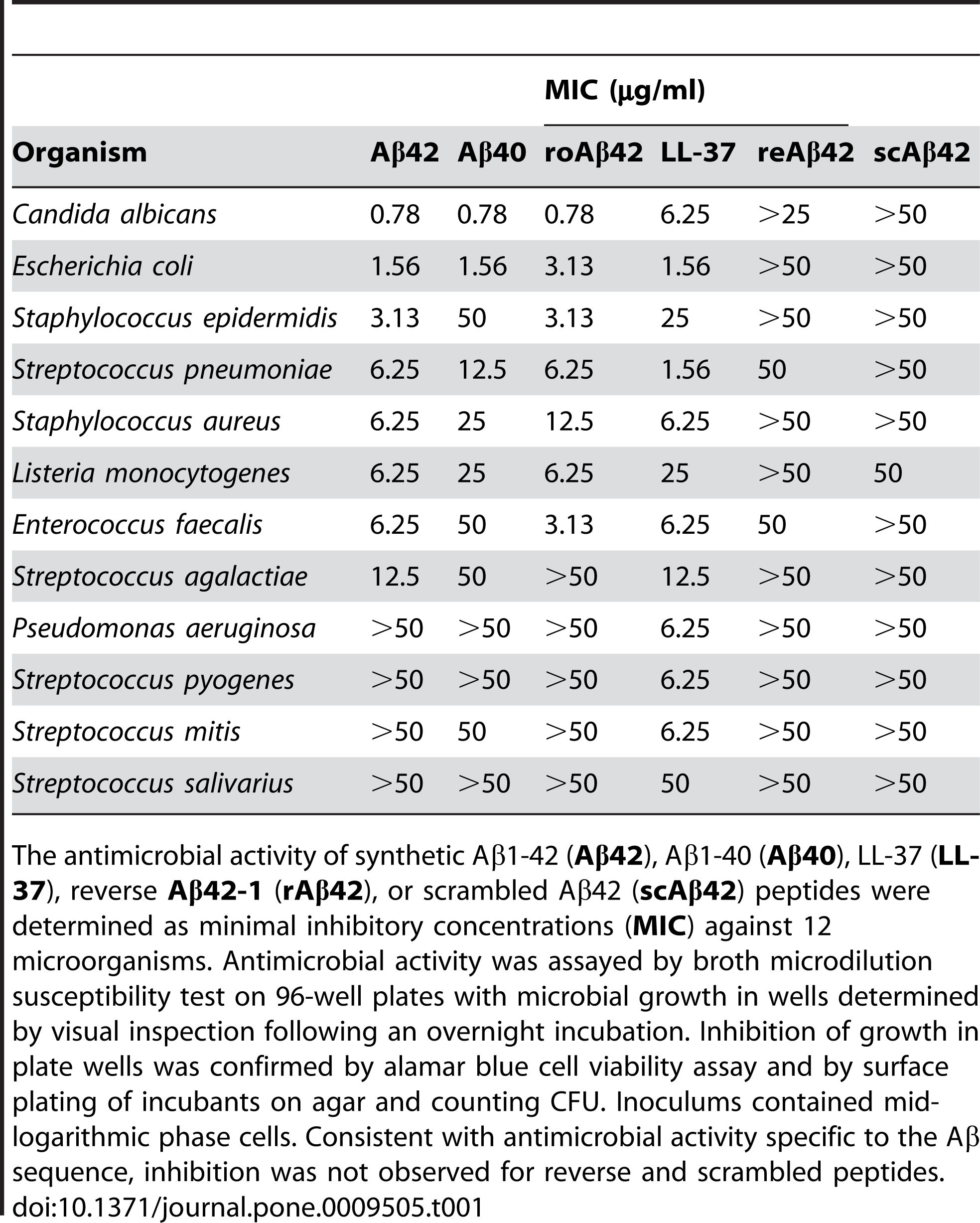
Figure 2. Aβ peptides possess antimicrobial activity.
(Soscia SJ, Kirby JE, Washicosky KJ, Tucker SM, Ingelsson M, Hyman B, Burton MA, Goldstein LE, Duong S, Tanzi RE, Moir RD. The Alzheimer’s disease-associated amyloid beta-protein is an antimicrobial peptide. PLoS One. 2010 Mar 3;5(3):e9505.)
While some studies have suggested that the accumulation of Aβ in the brain may be a protective response to chronic infections or injuries, as Aβ can act as an antimicrobial peptide (AMP) and eliminate potential pathogens, the complex interplay between Aβ and microbial elements remains a topic of investigation. The delicate balance is highlighted by the research of Moir et al. (Journal of Alzheimer’s Disease, 2018), which suggests that imbalanced or excessive Aβ production may inadvertently harm host cells and tissues, reflecting the intricate dual nature of Aβ’s roles in infection and neurodegeneration. Excessive or dysregulated production of Aβ may lead to its aggregation and deposition in the brain, forming toxic oligomers and fibrils that impair neuronal function and induce neuroinflammation. These pathological processes are associated with cognitive decline and memory loss in Alzheimer’s disease, a neurodegenerative disorder characterized by progressive dementia. Therefore, the balance between the beneficial and detrimental effects of Aβ is crucial for maintaining brain health and preventing neurodegeneration.
3.Iron export: Aβ 1-42 has been shown to be involved in the regulation of iron homeostasis in the brain. Iron is an essential element for many biological processes, but excess iron can also cause oxidative stress and neurodegeneration. Aβ 1-42 can bind to iron and facilitate its export from neurons via ferroportin, a transmembrane iron transporter. This may help prevent iron accumulation and toxicity in the brain, as excess iron can cause oxidative stress and neurodegeneration. Duce et al. (Cell, 2010) reported that Aβ 1-42 bound to ferroportin and increased its expression and activity in neurons, leading to reduced intracellular iron levels. They also showed that Aβ 1-42 reduced the expression of hepcidin, a hormone that inhibits ferroportin, in astrocytes, further enhancing iron export from neurons. However, iron-bound Aβ may also become more prone to aggregation and deposition in the extracellular space, forming amyloid plaques. Ayton et al. (Journal of Biological Chemistry, 2015) reported that iron promoted the formation of Aβ oligomers and fibrils in vitro and in vivo. They also showed that iron chelation reduced Aβ aggregation and deposition in transgenic mice. Therefore, the balance between the beneficial and detrimental effects of Aβ 1-42 on iron homeostasis is crucial for maintaining brain health and preventing neurodegeneration.
We are a polypeptide manufacturer in China, with several years of mature experience in polypeptide production. Hangzhou Taijia Biotech Co., Ltd. is a professional polypeptide raw material manufacturer, which can provide tens of thousands of polypeptide raw materials and can also be customized according to needs. The quality of polypeptide products is excellent, and the purity can reach 98%, which has been recognized by users all over the world.Welcome to consult us.