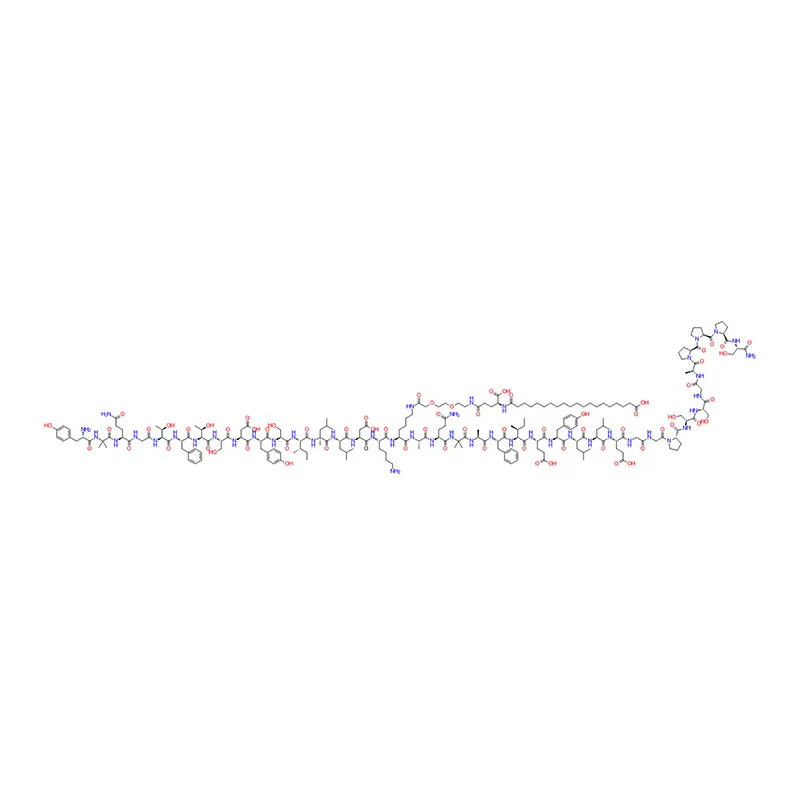
Retatrutide has shown remarkable pharmacological properties and therapeutic efficacy in obesity and type 2 diabetes in preclinical and clinical studies. In animal models of obesity and diabetes, retatrutide has demonstrated superior effects on lowering blood glucose levels, stimulating insulin secretion, suppressing glucagon secretion, delaying gastric emptying, reducing food intake and body weight compared to single or dual agonists of the three receptors (Gault et al., 2023, Diabetes, Obesity and Metabolism; Coskun et al., 2023a, Molecular Metabolism). Retatrutide has also improved lipid profile, liver function, inflammation and cardiovascular parameters in these animals (Gault et al., 2023, Diabetes, Obesity and Metabolism; Coskun et al., 2023a, Molecular Metabolism).
In human clinical trials, retatrutide has also shown promising results in obese and diabetic patients. Retatrutide was well tolerated and showed dose-dependent effects on lowering blood glucose levels, stimulating insulin secretion, suppressing glucagon secretion and reducing appetite in a phase 1 study involving healthy volunteers and patients with type 2 diabetes (Coskun et al., 2023b, Diabetes Care). Retatrutide achieved up to 17.5% mean weight reduction at 24 weeks compared to placebo in a phase 2 study involving patients with obesity and overweight. This weight loss was accompanied by improvements in glycemic control, lipid profile, liver function and quality of life (Lilly’s phase 2 retatrutide results published in The New England Journal of Medicine show the investigational molecule achieved up to 17.5% mean weight reduction at 24 weeks in adults with obesity and overweight., 2023). Retatrutide also had a favorable safety profile with no serious adverse events or hypoglycemia episodes reported.