Our Mission
To advance life science research through innovative peptide technologies and exceptional customer service.
Our Vision
To become a globally recognized leader in peptide synthesis and related biotechnology fields.
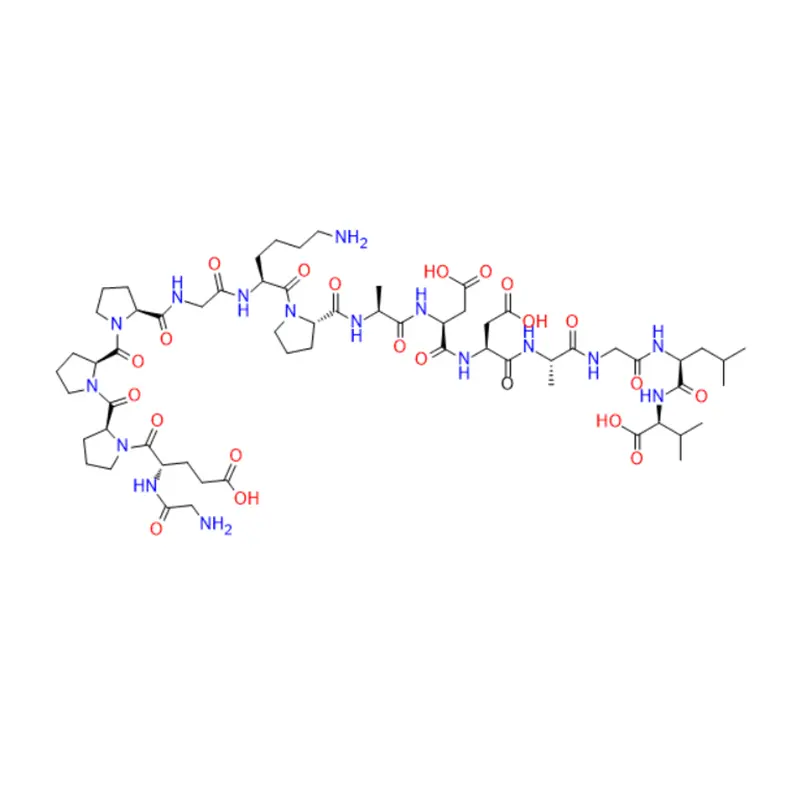
In human gastric juice, BPC 157 is stable for more than 24 hours, and thus it has good oral bioavailability (always given alone) and beneficial effects in the entire gastrointestinal tract . This is an important distinction from the otherstandard peptides, which are functionally dependent on theaddition of carrier or are otherwiserapidly destroyed in human gastric juice.Consequently, stable BPC 157 is suggested to be a mediator of Robert’s cytoprotection, which maintains the integrity ogastrointestinal mucosa. We suggest that the contribution of BPC 157 to Robert’s cytoprotection – that is, the ability to counteract fundamental alcohol-induced gastric lesions, which Robert called cytoprotection – and the ability to counteract lesions arising from the direct injurious contact of the noxious agent with the cell represent the peripheral connection between the gut and the brain axis.
Perovic reported that BPC 157 has a marked therapeutic effect pertaining to the recovery of rats with a spinal cord injury with tail paralysis (1-minute compression injury of the sacrocaudal spinal cord [S2–Co1]). Specifically, a single intraperitoneal BPC 157 administration at 10 minutes post-injury counteracts the negative effects. By contrast, the spinal cord injury and tail paralysis persist in untreated rats, assessed days, weeks, months, and a year after the injury. Of note, BPC 157 attenuates the commonly caused damage . Thereby, BPC 157 therapy results in evident functional, microscopic, and electrophysiologic recovery .
Of note, in rats with spinal cord injury, there is permanent reperfusion. Once BPC 157 is administered 10 minutes post-compression injury, there is continuous protection and no spontaneous spinal cord injury-induced disturbances reappear.All spinal cord injuries immediately provoke hemorrhage, with subsequent death of neurons and oligodendrocytes.
Hence, it is conceivable that early hemostasis may be beneficial and enable functional recoveryafter spinal cord contusion in rats. However, the effect exerted by BPC 157 is likely different from the simple hemostatic effect that would attenuate spinal cord injury, because BPC 157 also markedly improves thrombocyte function in rats without affecting coagulation factors. During recovery from spinal cord injury, BPC 157 also directly protects the endothelium, alleviates peripheral vascular occlusion disturbances, rapidly activates alternative bypass pathways, and counteracts venous occlusion–induced syndromes. Thus, assuming that there is a substantial venous contribution to the spinal cord compression, it is conceivable that the reestablished blood flow mediated by BPC 157 may undoubtedly contribute to the rapid recovery effect. Furthermore, considering that BPC 157 promotes permanent reperfusion after spinal cord compression, it should be noted that when BPC 157 is given during reperfusion, it counteracts stroke induced by bilateral clamping of the common carotid arteries. BPC 157 resolves neuronal damage and prevents memory, locomotor, and coordination deficits. BPC 157 apparently exerts these effects by altering gene expression in the hippocampus .
In conclusion, BPC 157 exerts beneficial effects on stroke, schizophrenia, and spinal cord injury .
Researchers have consistently demonstrated that BPC 157 exerts a myriad of beneficial effects throughout the body. There is no reason to indicate that the benefits of BPC 157 are limited by the validity of the utilized models and/or methodology limitations. Indeed, we can argue that the effectiveness, easy applicability, safe clinical profile and mechanism of BPC 157 represent an alternative, likely successful, future therapeutic direction for neurological conditions. Therefore, additional studies are needed to clarify how potential BPC 157 therapy would specifically deal with a mechanism of action that involves multiple subcellular sites in the CNS. The influence on the function of most, if not all, neuronal systems at the molecular, cellular, and systemic levels should be explored. Some visceral repetitive relay of the CNS or circumventricular organs, one of the few regions in the brain without the blood-brain barrier, is a known pathway by which a systemically administered peptide can exert a central effect. Thus, it must act within the gut-brain axis, regardless of whether this action is direct or indirect.
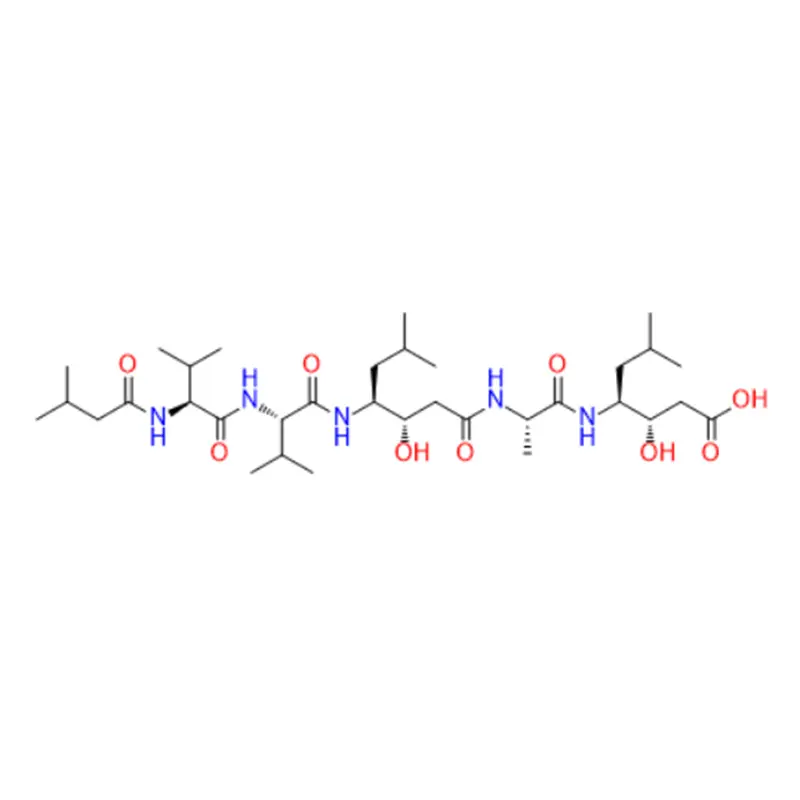
Pepstatin is a pentapeptide, a naturally occurring aspartyl protease inhibitor, which can inhibit aspartic protease and acid protease of various microorganisms. Pepstatin is mainly secreted by Streptomyces species and produced by Streptomyces. It can inhibit pepsin, pepsin D and angiotensin-releasing enzyme, and has therapeutic effects on gastric ulcer, renal hypertension, arthritis, carrageenan edema and other diseases.
Pepstatin is a strong inhibitor of aspartyl proteases such as pepsin, cathepsin D, and renin. This natural pentapeptide isolated from actinomycetes was for many years the classic renin inhibitor in vitro.Pepstatin is not specific for renin and is poorly soluble in water. Structural derivatives of pepstatin increased its solubility and specificity for renin by several orders of magnitude.Pepstatin contains the unusual γ amino acid statin that may substitute for the two amino acids at the scissile bond of the protein substrate and block substrate cleavage because of the structural analogy to a transition state of the peptide bond hydrolysis by aspartyl proteases.
When protein is extracted from broken cells, proteases can be released, which need to be rapidly inhibited to keep protein from being degraded. In the process of protein extraction, protease inhibitors need to be added to prevent proteolysis. Protease inhibitor broadly refers to a substance that binds to some groups on the active center of protease molecules, so that the protease activity decreases or even disappears, but does not denature the enzyme protein. The sensitivity of various proteases to different protein is different, so it is necessary to adjust the concentration of various proteases. Because the solubility of protease inhibitor in liquid is extremely low, it should be paid special attention to that protease inhibitor should be fully mixed in the buffer to reduce the precipitation of protease inhibitor. Pepstantin A can inhibit acid proteases such as pepsin, angiotensin, collagenase, cathepsin D and chymosin.

Pepstatin A is an inhibitor of cathepsin d and e. After HEK293 cells were treated with different concentrations of pepstatin A for 24 hours, the expression of LC3Ⅱ and p62 was detected. The results showed that pepstatin A could significantly enhance the expression of LC3Ⅱ and P62 (P < 0.05) in a dose-dependent manner. 20μ g/ml pepstatin A was used to treat HEK293 at different time intervals, and the effects of different time intervals on the expression of LC3II and p62 were observed. The results showed that pepstatin A could up-regulate the expression of LC3II and p62 in a time-dependent manner.
We are a polypeptide manufacturer in China, with several years of mature experience in polypeptide production. Hangzhou Taijia Biotech Co., Ltd. is a professional polypeptide raw material manufacturer, which can provide tens of thousands of polypeptide raw materials and can also be customized according to needs. The quality of polypeptide products is excellent, and the purity can reach 98%, which has been recognized by users all over the world.Welcome to consult us.
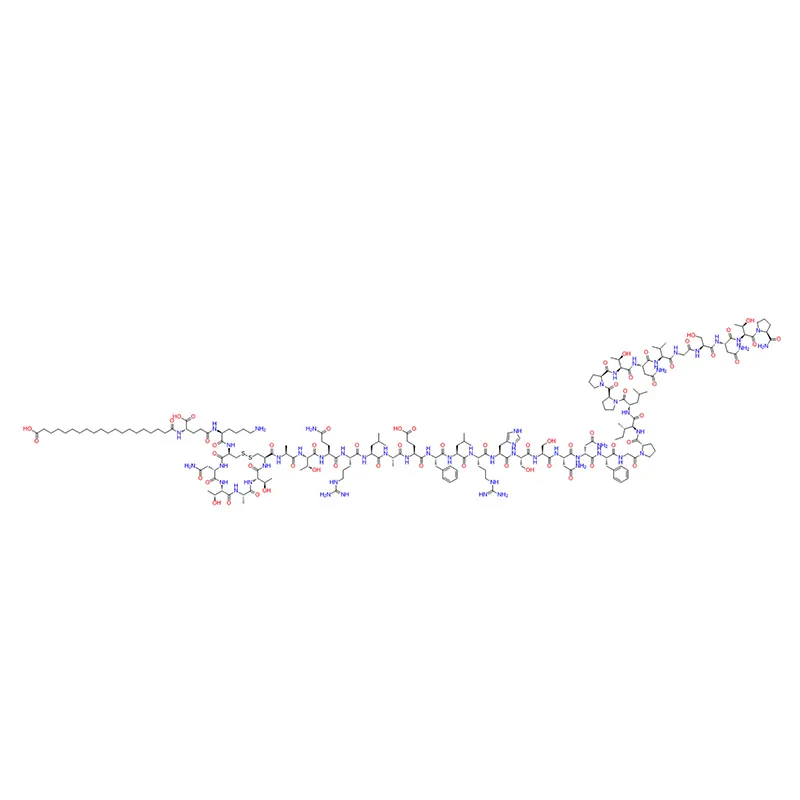
Cagrilintide is a synthetic peptide that mimics the action of amylin, a hormone secreted by the pancreas that regulates blood glucose levels and appetite. It is composed of 38 amino acids and contains a disulfide bond. Cagrilintide binds to both amylin receptors (AMYR) and calcitonin receptors (CTR), which are G protein-coupled receptors expressed in various tissues, such as the brain, the pancreas, and the bone. By activating these receptors, cagrilintide can reduce food intake, lower blood glucose levels, and increase energy expenditure. Cagrilintide has been investigated as a potential treatment for obesity, a metabolic disorder characterized by excess body fat and increased risk of diabetes, cardiovascular disease, and cancer. Cagrilintide has shown promising results in animal studies and clinical trials, demonstrating significant weight loss and improved glycemic control in obese patients with or without type 2 diabetes.
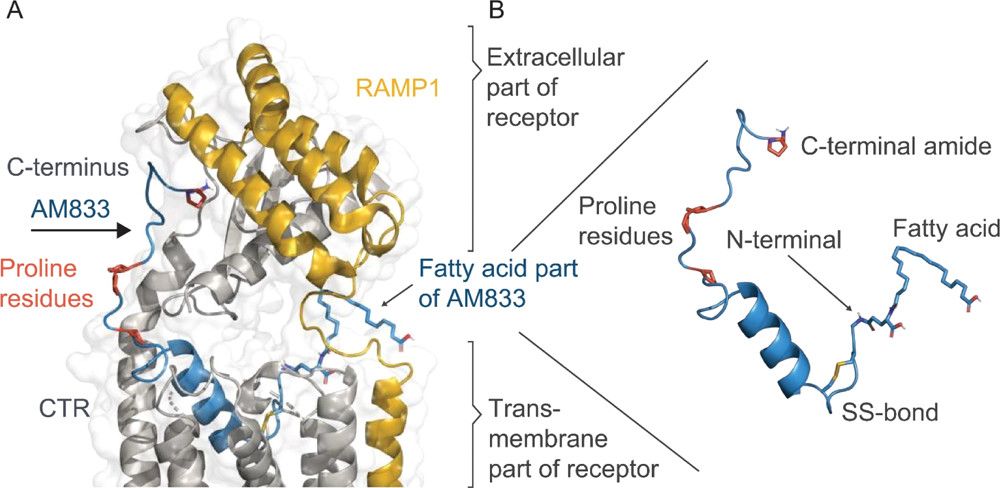
Figure 1. Homology model of cagrilintide (23) bound to AMY3R. (A) N-terminal part of 23 (blue) is formed by an amphipathic a-helix, deeply buried in the TM domain of AMY3R, while the C-terminal part is predicted to adopt an extended conformation that binds the extracellular part of the receptor. (29,30) The fatty acid attached to the N-terminus of 23, proline residues (which minimize fibrillation), and the C-terminal amide (essential for receptor binding) are highlighted in stick representations. AMY3R is formed by CTR (gray) bound to RAMP3 (receptor-activity modifying protein 3; orange). The structural model was created using the following template structures: a complex structure of CGRP (calcitonin receptor-like receptor; pdb code 6E3Y) and an apo crystal structure of the 23 backbone (pdb code 7BG0). (B) Zoom up of 23 highlighting the N-terminal disulfide bond, an internal salt bridge between residue 14 and 17, a “leucine zipper motif,” and an internal hydrogen bond between residues 4 and 11. (adapted from Kruse T, Hansen JL, Dahl K, Schäffer L, Sensfuss U, Poulsen C, Schlein M, Hansen AMK, Jeppesen CB, Dornonville de la Cour C, Clausen TR, Johansson E, Fulle S, Skyggebjerg RB, Raun K. Development of Cagrilintide, a Long-Acting Amylin Analogue. J Med Chem. 2021 Aug 12;64(15):11183-11194.)
Some of the biological applications of cagrilintide are:
Cagrilintide can modulate the activity of neurons in the hypothalamus, the brain region that controls appetite and energy balance (Lutz et al., 2015, Front Endocrinol (Lausanne)). Cagrilintide can inhibit the firing of orexigenic neurons, which stimulate hunger, and activate anorexigenic neurons, which suppress hunger. For example, cagrilintide can reduce the expression of neuropeptide Y (NPY) and agouti-related peptide (AgRP), two potent orexigenic peptides, and increase the expression of proopiomelanocortin (POMC) and cocaine- and amphetamine-regulated transcript (CART), two anorexigenic peptides, in the arcuate nucleus of the hypothalamus (Roth et al., 2018, Physiol Behav). Cagrilintide can also enhance the satiating effect of leptin, a hormone that signals the body’s energy status. Leptin is secreted by adipose tissue and binds to leptin receptors on hypothalamic neurons, inhibiting orexigenic neurons and activating anorexigenic neurons. Cagrilintide can increase the sensitivity of leptin receptors and potentiate leptin-induced activation of signal transducer and activator of transcription 3 (STAT3), a transcription factor that mediates leptin’s effects on gene expression (Lutz et al., 2015, Front Endocrinol (Lausanne)). These effects can reduce food intake and increase energy expenditure, leading to weight loss.
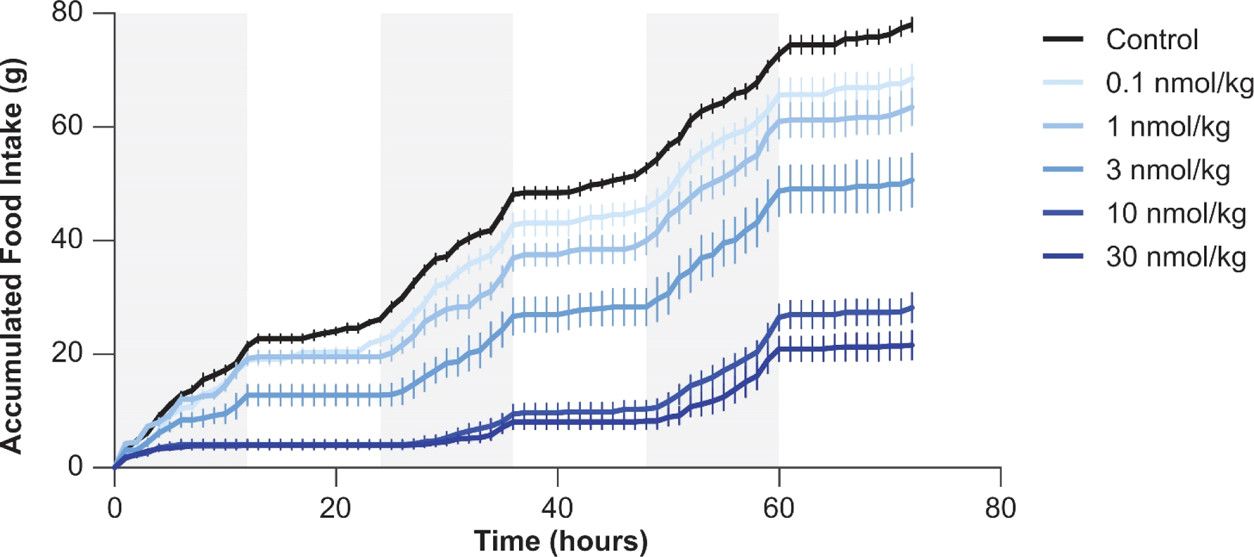
Figure 2. Food intake in rats after subcutaneous administration of Cagrilintide 23. (adapted from Kruse T, Hansen JL, Dahl K, Schäffer L, Sensfuss U, Poulsen C, Schlein M, Hansen AMK, Jeppesen CB, Dornonville de la Cour C, Clausen TR, Johansson E, Fulle S, Skyggebjerg RB, Raun K. Development of Cagrilintide, a Long-Acting Amylin Analogue. J Med Chem. 2021 Aug 12;64(15):11183-11194.)
Cagrilintide can regulate the secretion of insulin and glucagon, two hormones that control blood glucose levels. Cagrilintide can inhibit glucagon secretion from alpha cells in the pancreas, which prevents excessive glucose production by the liver. Glucagon is a hormone that stimulates the breakdown of glycogen and the synthesis of glucose in the liver, raising blood glucose levels. Cagrilintide can suppress glucagon secretion by binding to amylin receptors and calcitonin receptors on alpha cells, which are coupled to inhibitory G proteins that reduce cyclic adenosine monophosphate (cAMP) levels and calcium influx. Cagrilintide can also potentiate insulin secretion from beta cells in the pancreas, which enhances glucose uptake by the muscles and adipose tissue. Insulin is a hormone that promotes the storage of glucose as glycogen in the liver and muscles, and the conversion of glucose to fatty acids in adipose tissue, lowering blood glucose levels. Cagrilintide can enhance insulin secretion by binding to amylin receptors and calcitonin receptors on beta cells, which are coupled to stimulatory G proteins that increase cAMP levels and calcium influx. These effects can lower blood glucose levels and improve insulin sensitivity, which can prevent or treat type 2 diabetes (Kruse et al., 2021, J Med Chem; Dehestani et al., 2021, J Obes Metab Syndr.).
Cagrilintide can also affect the function of osteoblasts and osteoclasts, two types of cells that are involved in bone formation and resorption. Osteoblasts are responsible for producing new bone matrix, while osteoclasts are responsible for breaking down old bone matrix. The balance between osteoblasts and osteoclasts determines the bone mass and strength. Cagrilintide can stimulate osteoblast differentiation and activity, which increases bone formation. Cagrilintide can bind to amylin receptors and calcitonin receptors on osteoblasts, which activate intracellular signaling pathways that promote osteoblast proliferation, survival, and matrix synthesis (Cornish et al., 1996, Biochem Biophys Res Commun. ). Cagrilintide can also increase the expression of osteocalcin, a marker of osteoblast maturation and function (Cornish et al., 1996, Biochem Biophys Res Commun.). Cagrilintide can also inhibit osteoclast differentiation and activity, which decreases bone resorption. Cagrilintide can bind to amylin receptors and calcitonin receptors on osteoclast precursors, which inhibit their fusion into mature osteoclasts (Cornish et al., 2015). Cagrilintide can also reduce the expression of tartrate-resistant acid phosphatase (TRAP), a marker of osteoclast activity and bone resorption (Cornish et al., 2015, Bonekey Rep.). These effects can improve bone mineral density and prevent or treat osteoporosis, a condition characterized by low bone mass and increased fracture risk (Kruse et al., 2021; Dehestani et al., 2021, J Obes Metab Syndr.)
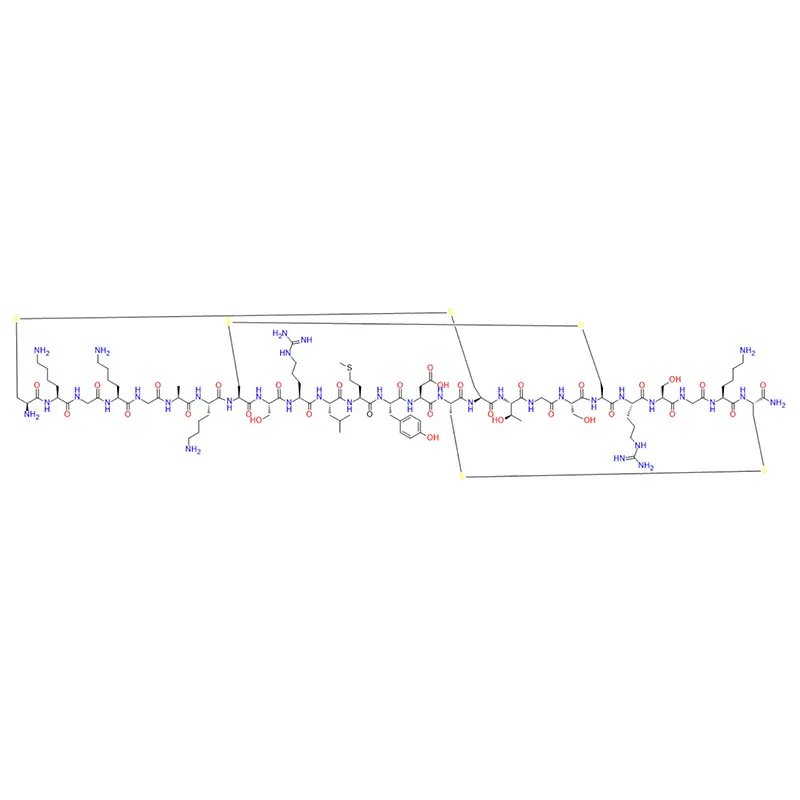
It is suitable for intrathecal injection and other treatment methods (such as systemic analgesics, adjuvant therapy or sheath) Ziconotide is a powerful, selective and reversible N-type voltage-sensitive calcium channel blocker, which is effective for refractory pain, and does not produce drug resistance after long-term administration, and it does not cause physical and mental dependence, nor does it cause life-threatening respiratory depression due to overdose. The recommended daily dose is less, with good curative effect, high safety, less adverse reactions, no drug resistance and addiction. This product has a huge market prospect as a painkiller.
According to incomplete statistics, the incidence of pain in the world is about 35% ~ 45% at present, and the incidence of pain in the elderly is relatively high, about 75% ~ 90%. An American survey shows that the incidence of migraine increased from 23.6 million in 1989 to 28 million in 2001. In the investigation of chronic pain in six cities in China, it is found that the incidence of chronic pain in adults is 40%, and the rate of medical treatment is 35%; The incidence of chronic pain in the elderly is 65% ~ 80%, and the rate of seeing a doctor is 85%. In recent years, the medical expenses for pain relief are increasing year by year.
From 2013 to July 2015, the Pain Research Center in the United States and several medical institutions conducted a long-term, multi-center and observational study on intrathecal injection of ziconotide in 93 adult white female patients with severe chronic pain. The pain digital score scale and the overall sensory score of patients with intrathecal injection of ziconotide and without injection of ziconotide were compared Among them, 51 patients used intrathecal injection of ziconotide, while 42 patients did not. The baseline pain scores were 7.4 and 7.9, respectively. The recommended dose of intrathecal injection of ziconotide was 0.5-2.4 mcg/ day, which was adjusted according to the patient’s pain response and side effects. The average initial dose was 1.6 mcg/ day, 3.0 mcg/ day at 6 months and 2.5 at 9 months. At 12 months, it was 1.9 mcg/ day, and after 6 months, the decrease rate was 29.4%, the contrast increase rate was 6.4%, and the improvement rate of overall sensory score was 69.2% and 35.7% respectively. After 12 months, the decrease rate was 34.4% and 3.4% respectively, and the improvement rate of overall sensory score was 85.7% and 71.4% respectively. The highest side effects were nausea (19.6% and 7.1%), hallucination (9.8% and 11.9%) and dizziness (13.7% and 7.1%). The results of this study once again confirmed the effectiveness and safety of ziconotide recommended as a first-line intrathecal injection.
The preliminary study on ziconotide can be traced back to the 1980s, when the potential therapeutic application of rigid and protein-like peptides in conus venom was explored for the first time. These conotoxins are small peptides rich in disulfide bonds, usually 10-40 residues in length, to target various ion channels, GPCR and transporter proteins efficiently and selectively. Ziconotide is a 25-peptide derived from Conus magus, which contains three disulfide bonds, and its short β-fold is spatially arranged into a unique three-dimensional structure, which allows it to selectively inhibit CaV2.2 channels.
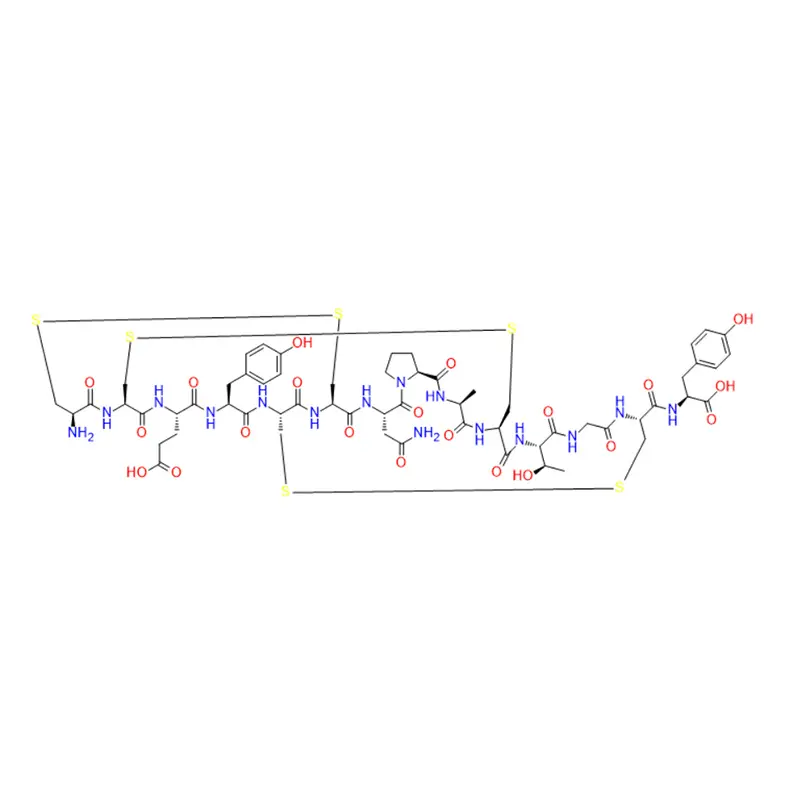
Linaclotide is a cyclic peptide that consists of 14 amino acids, three of which are cysteines that form disulfide bonds. Linaclotide is structurally related to the endogenous peptides guanylin and uroguanylin, which are natural ligands of the guanylate cyclase C (GC-C) receptor. The GC-C receptor is expressed on the luminal surface of the intestinal epithelial cells, where it regulates fluid secretion and intestinal motility. Linaclotide binds to the GC-C receptor with high affinity and specificity, and activates it by increasing the intracellular levels of cyclic guanosine monophosphate (cGMP). cGMP is a second messenger that mediates various cellular responses, such as chloride and bicarbonate secretion, smooth muscle relaxation, and pain modulation. Linaclotide acts locally in the gastrointestinal tract, and does not penetrate the blood-brain barrier or affect the central nervous system. Linaclotide also produces an active metabolite, MM-419447, which has similar pharmacological properties to linaclotide. Both linaclotide and its metabolite are resistant to proteolytic degradation by intestinal enzymes, and are mainly eliminated unchanged in the feces (MacDonald et al., Drugs, 2017).
By activating the GC-C receptor, linaclotide increases the secretion of fluid into the intestinal lumen, which softens the stool and facilitates bowel movements. Linaclotide also reduces the visceral hypersensitivity and inflammation that are associated with irritable bowel syndrome (IBS) and other gastrointestinal disorders. Linaclotide modulates the activity of the enteric nervous system and the colonic nociceptors, which are sensory neurons that transmit pain signals from the gut to the brain. Linaclotide decreases the expression of pain-related genes, such as substance P and calcitonin gene-related peptide (CGRP), and increases the expression of opioid receptors, which mediate analgesia. Linaclotide also reduces the release of pro-inflammatory cytokines, such as interleukin-1 beta (IL-1β) and tumor necrosis factor alpha (TNF-α), and increases the release of anti-inflammatory cytokines, such as interleukin-10 (IL-10) and transforming growth factor beta (TGF-β). These effects of linaclotide improve the symptoms of constipation and abdominal pain in patients with IBS or chronic constipation (Lembo et al., The American Journal of Gastroenterology, 2018).
Linaclotide has been shown to be effective and well-tolerated in several clinical trials involving patients with CC or IBS-C. In these trials, linaclotide improved bowel habits, such as stool frequency, consistency, and completeness; reduced abdominal pain and discomfort; and enhanced quality of life and patient satisfaction. Linaclotide also demonstrated a favorable safety profile, with diarrhea being the most common adverse event. The incidence of diarrhea was dose-dependent and usually mild to moderate in severity. Other adverse events were generally similar to placebo or low in frequency. No serious adverse events or deaths were attributed to linaclotide treatment (Rao et al., Clinical Gastroenterology and Hepatology, 2015).


Linaclotide is a novel and effective medication for patients with CC and IBS-C who have not responded well to conventional therapies. It works by mimicking the action of endogenous peptides that regulate intestinal function and sensation. Linaclotide can improve bowel habits, reduce abdominal pain, and enhance quality of life for these patients.

Figure 1. Abdominal pain/abdominal discomfort and IBS degree of relief weekly responders over the 12-week. , placebo; , linaclotide 290 μg.
(Yang, Y., Fang, J., Guo, X., Dai, N., Shen, X., Yang, Y., Sun, J., Bhandari, B. R., Reasner, D. S., Cronin, J. A., Currie, M. G., Johnston, J. M., Zeng, P., Montreewasuwat, N., Chen, G. Z., and Lim, S. (2018) Linaclotide in irritable bowel syndrome with constipation: A Phase 3 randomized trial in China and other regions. Journal of Gastroenterology and Hepatology, 33: 980–989. doi: 10.1111/jgh.14086.)
We are a polypeptide manufacturer in China, with several years of mature experience in polypeptide production. Hangzhou Taijia Biotech Co., Ltd. is a professional polypeptide raw material manufacturer, which can provide tens of thousands of polypeptide raw materials and can also be customized according to needs. The quality of polypeptide products is excellent, and the purity can reach 98%, which has been recognized by users all over the world.Welcome to consult us.
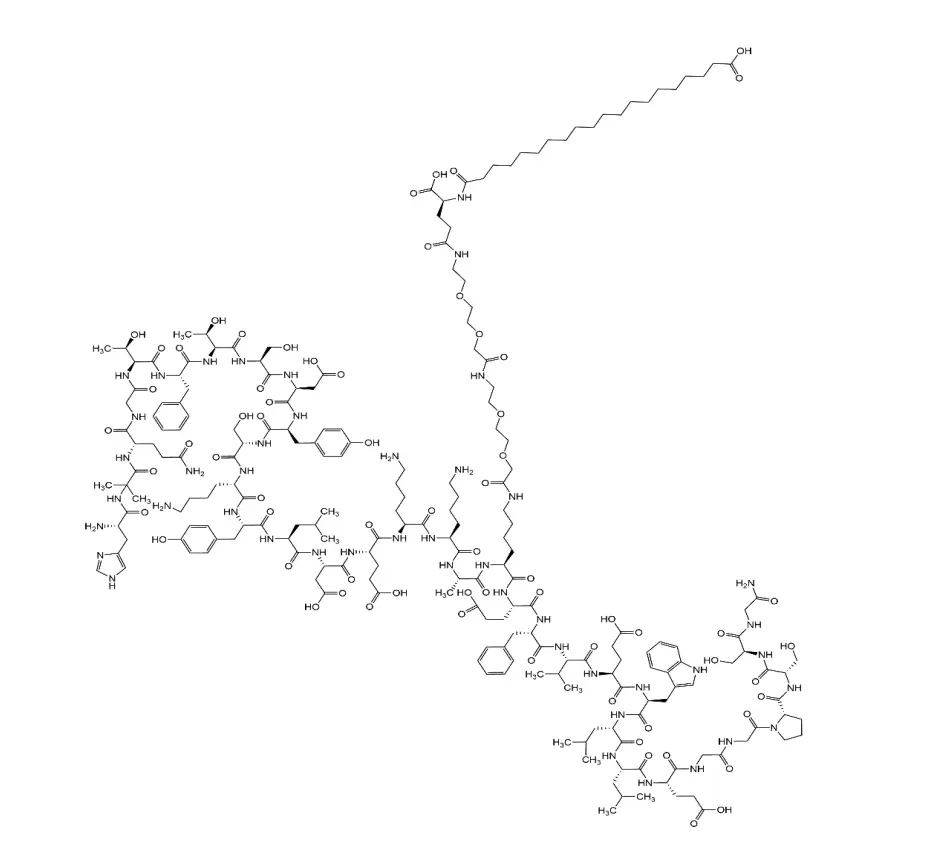


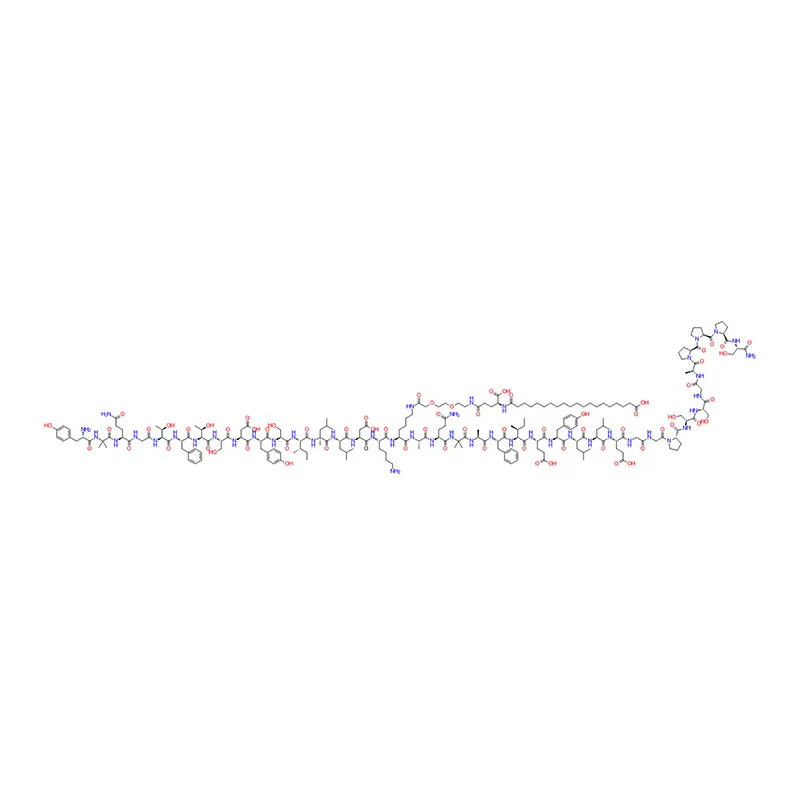
CAS No.: 910463-68-2
Molecular Formula: C187H291N45O59
Molecular Weight: 4113.64
Sequence: His-Aib-Glu-Gly-Thr-Phe-Thr-Ser-Asp-Val-Ser-Ser-Tyr-Leu-Glu-Gly-Gln-Ala-Ala-N6-[N-(17-carboxy-1-oxoheptadecyl-L-γ-glutamyl[2-(2-aminoethoxy)ethoxy] acetyl[2-(2-aminoethoxy)ethoxy]acetyl]-Lys-Glu-Phe-Ile-Ala-Trp-Leu-Val-Arg-Gly-Arg-Gly-OH
Application: A long-acting human glucagon-like peptide-1 (GLP-1) analog used for the treatment of diabetes.
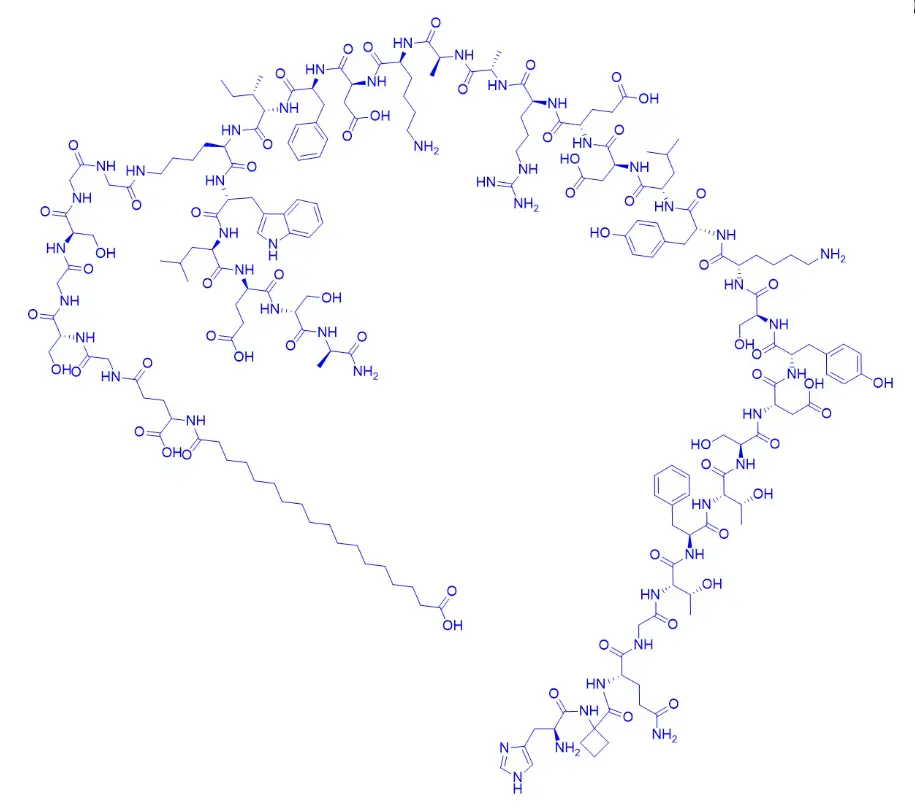
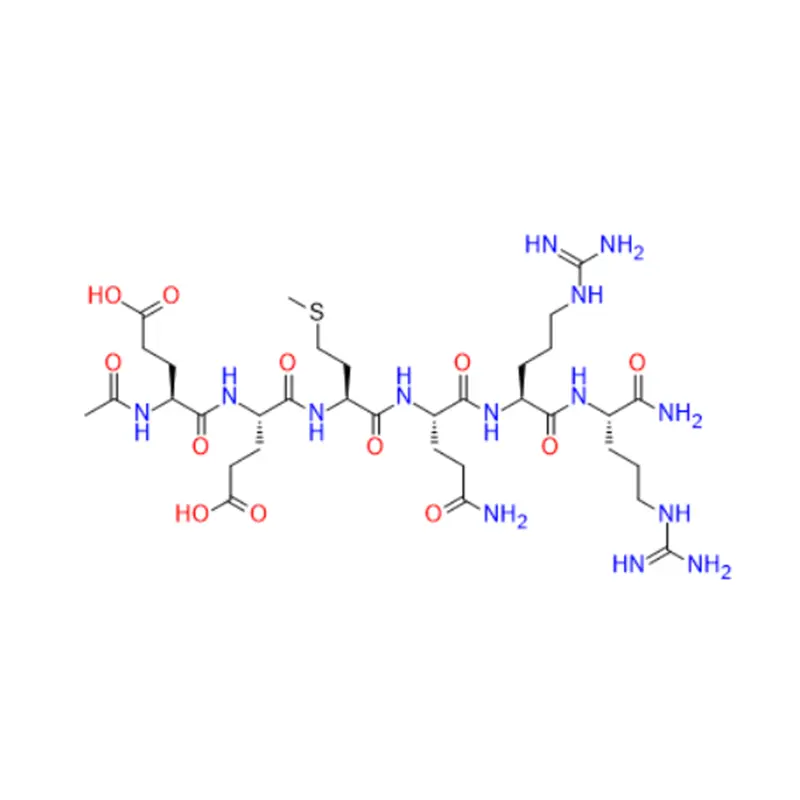
Acetyl hexapeptide -8, also known as akirelin and hexapeptide. Acetyl hexapeptide -8 is also called “botulinum toxin-like”/”smear botulinum toxin” by many people. It can be said that aquiline is an anti-wrinkle polypeptide with better effect than botulinum toxin.
As we all know, botulinum toxin is a beauty product that needs injection. It is extremely dangerous to use, and needs to be used by professionals. The dosage should be strictly controlled, but it still cannot avoid various side effects such as facial stiffness and facial paralysis.
Argireline was verified in the human experiments of cosmetics manufacturers: the average wrinkle depth decreased by 16.9% and 27.0% after 15 and 30 days with 10% Argireline solution, and the wrinkle volume decreased by 20.6% and the wrinkle length decreased by 15.9% after only 7 days with 2% Argireline solution. It can be seen that the effect of achillerin on wrinkles is very significant.

Wrinkles in human facial skin are mostly caused by collagen relaxation and involuntary contraction of muscles. If the contraction of these muscles can be controlled, the skin muscles can be relaxed to relieve wrinkles and achieve the fundamental purpose of removing wrinkles.
Botulinum toxin, as an effective wrinkle removal method, is widely known for its excellent effect. Even if it will cause great risks after use, there will still be a large number of consumers willing to use it. Polypeptide is different. As an organic synthetic product, when used as a cosmetic ingredient, it can be rapidly degraded into free amino acids at low concentration. Its main sequence is based on human body and its mechanism of action is natural. The characteristics of small molecular peptides enable them to have good transdermal permeability and are well absorbed by the human body. Acetyl hexapeptide -8 prevents nerve from transmitting muscle contraction information through the mechanism similar to botulinum toxin, so that muscle cannot contract to eliminate wrinkles. It has high anti-wrinkle activity and few side effects, and has been widely used in various high-end cosmetics.

We are a polypeptide manufacturer in China, with several years of mature experience in polypeptide production. Hangzhou Taijia Biotech Co., Ltd. is a professional polypeptide raw material manufacturer, which can provide tens of thousands of polypeptide raw materials and can also be customized according to needs. The quality of polypeptide products is excellent, and the purity can reach 98%, which has been recognized by users all over the world.Welcome to consult us.
Solid-Phase Peptide Synthesis
State-of-the-art SPPS technology for producing high-quality peptides up to 150 amino acids
Solution-Phase Synthesis
Custom synthesis of complex peptides requiring solution-phase methodologies
Peptide Modification
Expertise in various peptide modifications including glycosylation, PEGylation, and cyclization
Analytical Testing
Comprehensive peptide characterization using HPLC, MS, NMR, and other advanced techniques


At present, we can provide: glycopeptides, isotope-labeled peptides, macrocyclic chelating peptides, MAPS complex antigen peptides, which are used in various scientific research; All kinds of fluorescently labeled peptides are applied to the determination of enzyme activity and the study of molecular probes; Click chemical peptide, polyethylene glycol modified peptide, cyclic peptide and cell-penetrating peptide, which are applied to the research of various polypeptide drugs to improve the half-life and activity of polypeptide drugs.
Copyright © 2025 Hangzhou Hotide Biotech Co., Ltd. All Rights Reserved.