Lista de produtos

Contate-nos

  • Hangzhou Hotide Biotecnologia Co., Ltd.
  • info@hangzhouhotide.com
  • Distrito de Qiantang, cidade de Hangzhou, província de Zhejiang, China
    A-Dual-AMYR
    X
    A-Dual-AMYR

    Cagrilintide: um agonista duplo AMYR/CTR para pesquisa sobre obesidade

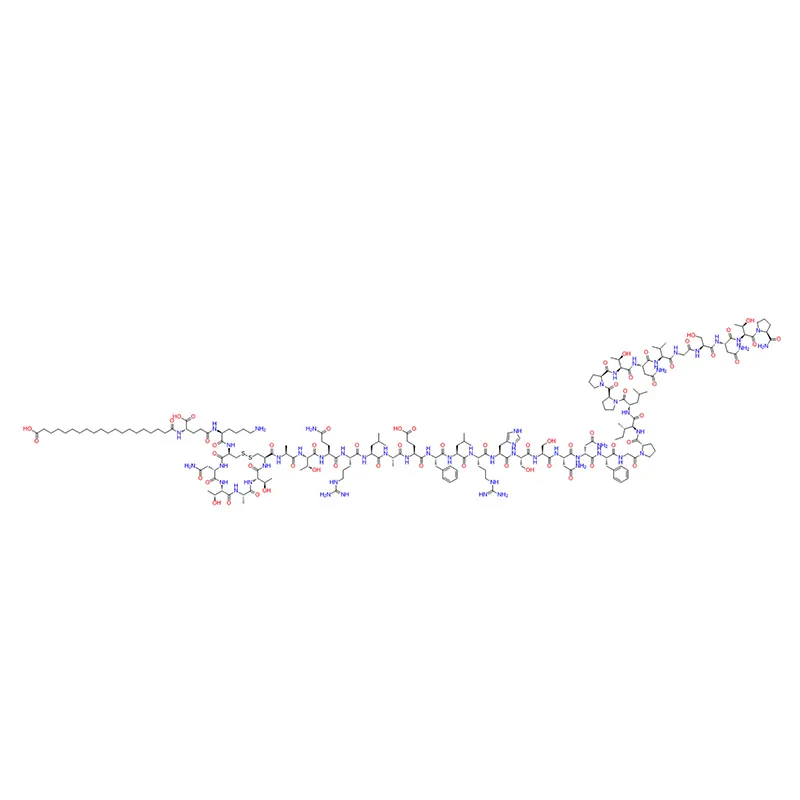
    Cagrilintide (1415456-99-3) é um novo análogo de amilina acilado de ação prolongada, que atua como um agonista não seletivo dos receptores de amilina (AMYR) e do receptor acoplado à proteína G da calcitonina (CTR). Cagrilintide pode reduzir a ingestão de alimentos e induzir perda de peso significativa. Tem potencial para a pesquisa da obesidade

    Categorias:

    Entre em contato agora
    Sobre este item
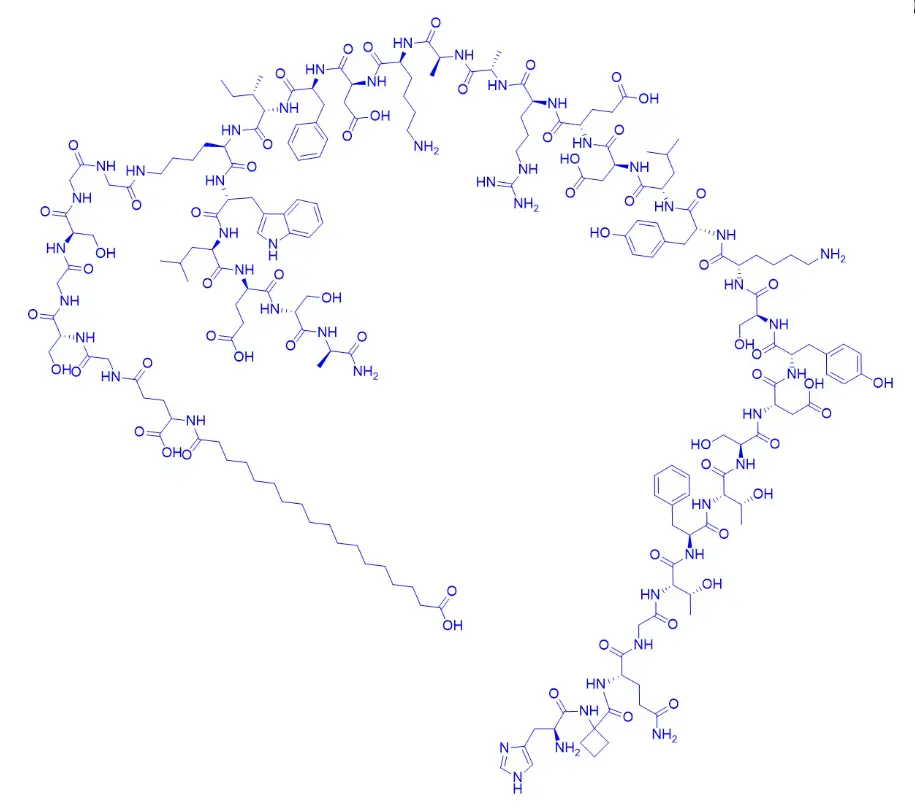
    Cagrilintide é um peptídeo sintético que imita a ação da amilina, um hormônio secretado pelo pâncreas que regula os níveis de glicose no sangue e o apetite. É composto por 38 aminoácidos e contém uma ligação dissulfeto. A cagrilintida liga-se aos receptores de amilina (AMYR) e aos receptores de calcitonina (CTR), que são receptores acoplados à proteína G expressos em vários tecidos, como o cérebro, o pâncreas e os ossos. Ao activar estes receptores, a cagrilintida pode reduzir a ingestão de alimentos, diminuir os níveis de glicose no sangue e aumentar o gasto energético. Cagrilintide foi investigado como um tratamento potencial para a obesidade, um distúrbio metabólico caracterizado por excesso de gordura corporal e aumento do risco de diabetes, doenças cardiovasculares e câncer. Cagrilintide mostrou resultados promissores em estudos com animais e ensaios clínicos, demonstrando perda de peso significativa e melhor controle glicêmico em pacientes obesos com ou sem diabetes tipo 2.
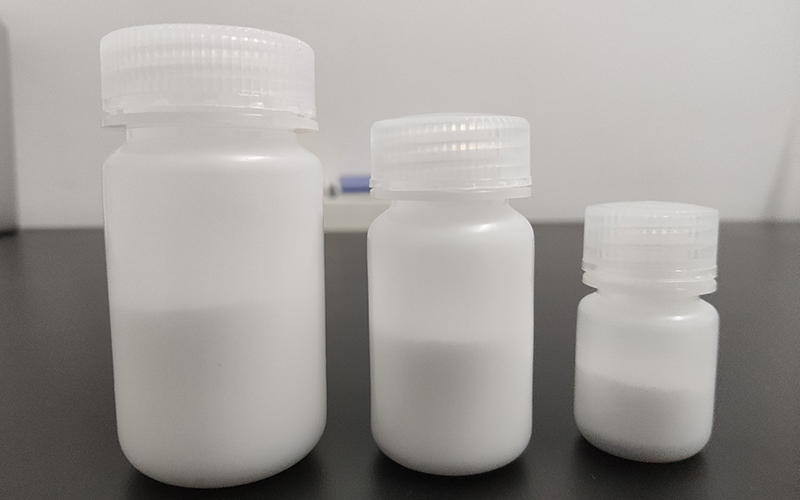
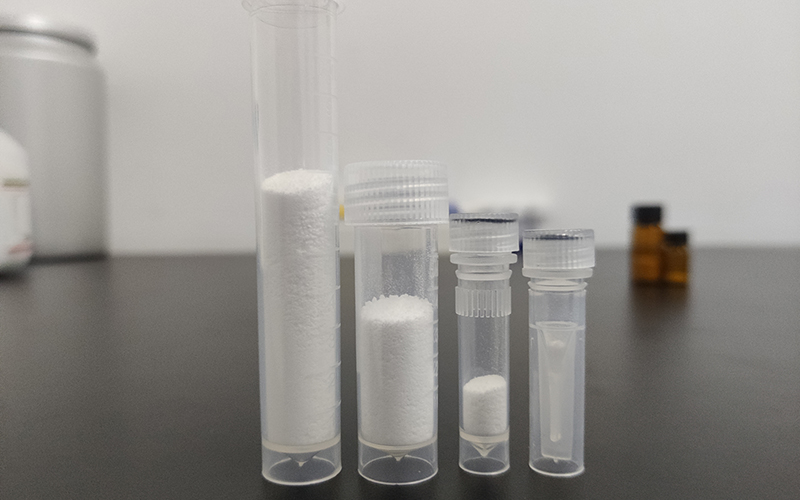
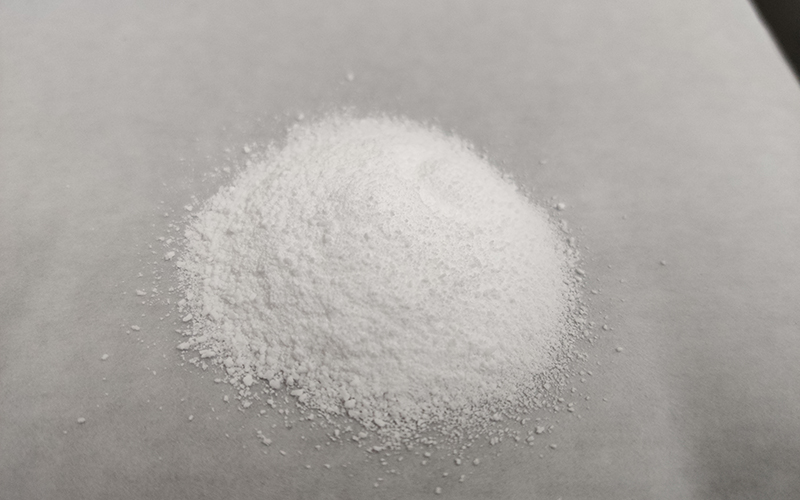
    Exibição do produto
    IMG_20200609_154048
    IMG_20200609_155449
    IMG_20200609_161417
    Por que nos escolher
    produto1
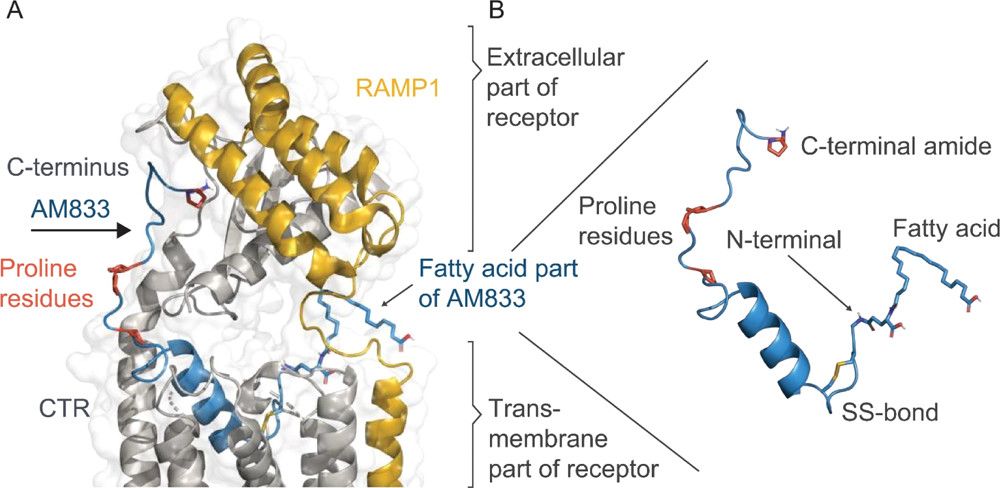
    Figura 1. Modelo de homologia de cagrilintide (23) ligado a AMY3R. (A) A parte N-terminal de 23 (azul) é formada por uma hélice α anfipática, profundamente enterrada no domínio TM de AMY3R, enquanto se prevê que a parte C-terminal adote uma conformação estendida que se liga à parte extracelular do receptor. (29,30) O ácido graxo ligado ao terminal N de 23, os resíduos de prolina (que minimizam a fibrilação) e a amida C-terminal (essencial para a ligação ao receptor) são destacados em representações em bastão. AMY3R é formado por CTR (cinza) ligado a RAMP3 (proteína 3 modificadora da atividade do receptor; laranja). O modelo estrutural foi criado usando as seguintes estruturas modelo: uma estrutura complexa de CGRP (receptor semelhante ao receptor de calcitonina; código pdb 6E3Y) e uma estrutura cristalina apo da estrutura 23 (código pdb 7BG0). (B) Zoom acima de 23 destacando a ligação dissulfeto N-terminal, uma ponte salina interna entre os resíduos 14 e 17, um “motivo de zíper de leucina” e uma ligação de hidrogênio interna entre os resíduos 4 e 11. (adaptado de Kruse T, Hansen JL, Dahl K, Schäffer L, Sensfuss U, Poulsen C, Schlein M, Hansen AMK, Jeppesen CB, Dornonville de la Cour C, Clausen TR, Johansson E, Fulle S, Skyggebjerg RB, Raun K. Desenvolvimento de Cagrilintide, um análogo de amilina de ação prolongada. J Med Chem. 12 de agosto de 2021;64(15):11183-11194.)
    Some of the biological applications of cagrilintide are: Cagrilintide can modulate the activity of neurons in the hypothalamus, the brain region that controls appetite and energy balance (Lutz et al., 2015, Front Endocrinol (Lausanne)). Cagrilintide can inhibit the firing of orexigenic neurons, which stimulate hunger, and activate anorexigenic neurons, which suppress hunger. For example, cagrilintide can reduce the expression of neuropeptide Y (NPY) and agouti-related peptide (AgRP), two potent orexigenic peptides, and increase the expression of proopiomelanocortin (POMC) and cocaine- and amphetamine-regulated transcript (CART), two anorexigenic peptides, in the arcuate nucleus of the hypothalamus (Roth et al., 2018, Physiol Behav). Cagrilintide can also enhance the satiating effect of leptin, a hormone that signals the body’s energy status. Leptin is secreted by adipose tissue and binds to leptin receptors on hypothalamic neurons, inhibiting orexigenic neurons and activating anorexigenic neurons. Cagrilintide can increase the sensitivity of leptin receptors and potentiate leptin-induced activation of signal transducer and activator of transcription 3 (STAT3), a transcription factor that mediates leptin’s effects on gene expression (Lutz et al., 2015, Front Endocrinol (Lausanne)). These effects can reduce food intake and increase energy expenditure, leading to weight loss.
    produto2
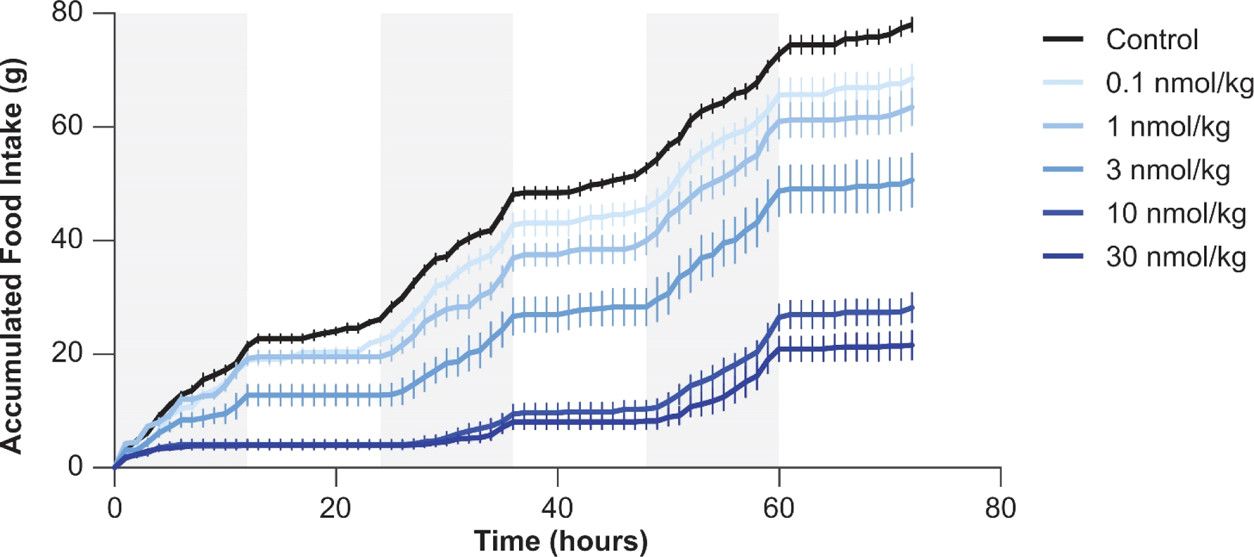
    Figure 2. Food intake in rats after subcutaneous administration of Cagrilintide 23. (adapted from Kruse T, Hansen JL, Dahl K, Schäffer L, Sensfuss U, Poulsen C, Schlein M, Hansen AMK, Jeppesen CB, Dornonville de la Cour C, Clausen TR, Johansson E, Fulle S, Skyggebjerg RB, Raun K. Development of Cagrilintide, a Long-Acting Amylin Analogue. J Med Chem. 2021 Aug 12;64(15):11183-11194.) Cagrilintide can regulate the secretion of insulin and glucagon, two hormones that control blood glucose levels. Cagrilintide can inhibit glucagon secretion from alpha cells in the pancreas, which prevents excessive glucose production by the liver. Glucagon is a hormone that stimulates the breakdown of glycogen and the synthesis of glucose in the liver, raising blood glucose levels. Cagrilintide can suppress glucagon secretion by binding to amylin receptors and calcitonin receptors on alpha cells, which are coupled to inhibitory G proteins that reduce cyclic adenosine monophosphate (cAMP) levels and calcium influx. Cagrilintide can also potentiate insulin secretion from beta cells in the pancreas, which enhances glucose uptake by the muscles and adipose tissue. Insulin is a hormone that promotes the storage of glucose as glycogen in the liver and muscles, and the conversion of glucose to fatty acids in adipose tissue, lowering blood glucose levels. Cagrilintide can enhance insulin secretion by binding to amylin receptors and calcitonin receptors on beta cells, which are coupled to stimulatory G proteins that increase cAMP levels and calcium influx. These effects can lower blood glucose levels and improve insulin sensitivity, which can prevent or treat type 2 diabetes (Kruse et al., 2021, J Med Chem; Dehestani et al., 2021, J Obes Metab Syndr.). Cagrilintide can also affect the function of osteoblasts and osteoclasts, two types of cells that are involved in bone formation and resorption. Osteoblasts are responsible for producing new bone matrix, while osteoclasts are responsible for breaking down old bone matrix. The balance between osteoblasts and osteoclasts determines the bone mass and strength. Cagrilintide can stimulate osteoblast differentiation and activity, which increases bone formation. Cagrilintide can bind to amylin receptors and calcitonin receptors on osteoblasts, which activate intracellular signaling pathways that promote osteoblast proliferation, survival, and matrix synthesis (Cornish et al., 1996, Biochem Biophys Res Commun. ). Cagrilintide can also increase the expression of osteocalcin, a marker of osteoblast maturation and function (Cornish et al., 1996, Biochem Biophys Res Commun.). Cagrilintide can also inhibit osteoclast differentiation and activity, which decreases bone resorption. Cagrilintide can bind to amylin receptors and calcitonin receptors on osteoclast precursors, which inhibit their fusion into mature osteoclasts (Cornish et al., 2015). Cagrilintide can also reduce the expression of tartrate-resistant acid phosphatase (TRAP), a marker of osteoclast activity and bone resorption (Cornish et al., 2015, Bonekey Rep.). These effects can improve bone mineral density and prevent or treat osteoporosis, a condition characterized by low bone mass and increased fracture risk (Kruse et al., 2021; Dehestani et al., 2021, J Obes Metab Syndr.)


    Solicitar Consulta

    Direitos autorais © 2025 Hangzhou Hotide Biotech Co., Ltd. Todos os direitos reservados.

    Contate-nos

    Solicitar Consulta